Lochend
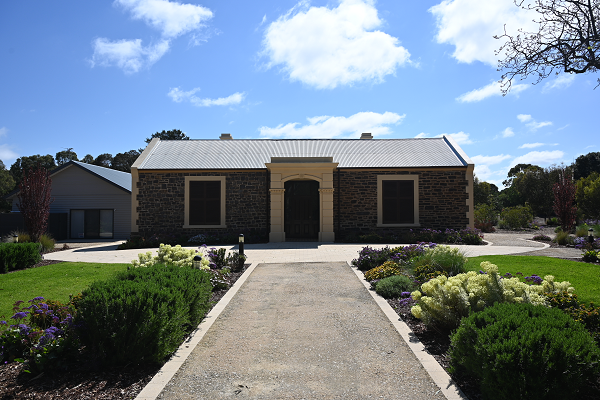
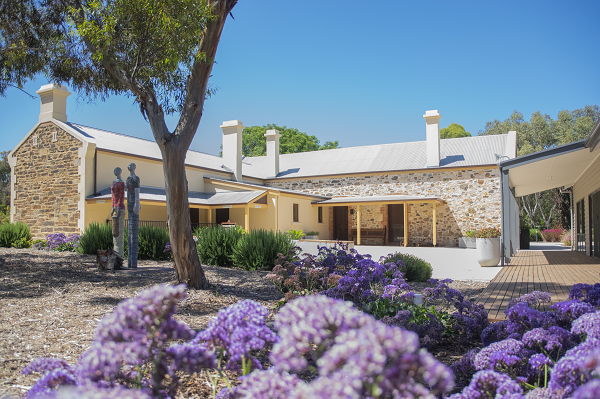
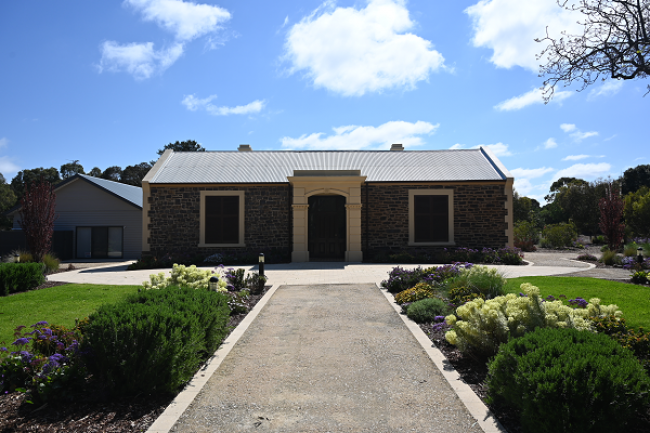
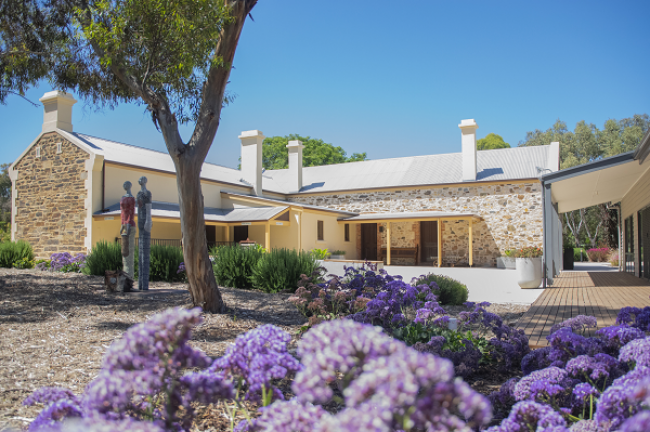
Lochend House, located on Lochend Drive in the Lochiel Park Estate in Campbelltown, is significant because of its association with the early pastoral pioneer, Charles James Fox Campbell, after whom Campbelltown is named.
Significance
Built before 1850, Lochend is owned in trust by the City of Campbelltown, listed on the Register of the National Estate and listed on the Register of State Heritage Items.
When Lochend House was built, the area was pastoral land and in later years, due to the availability of fresh water in the Torrens, the area’s market gardens and orchards supplied the city of Adelaide (Weidenhofer Architects, 1999).
The house was built for Charles James Fox Campbell and holds the name of his family home in Scotland. It is believed that George Strickland Kingston had some involvement in the original design of Lochend House, however this has never been conclusively established (Architects of South Australia 2008). Charles Campbell and George Kingston were acquainted through their involvement with the Lodge of Friendship – serving as Grand Officers (South Australian 1848).
Lochend House is strongly associated with pastoralism and the naming of Campbelltown Council.
Construction
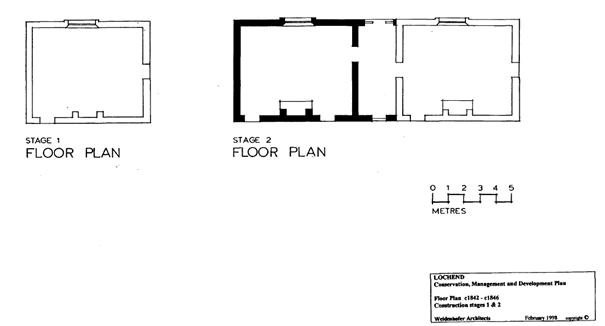
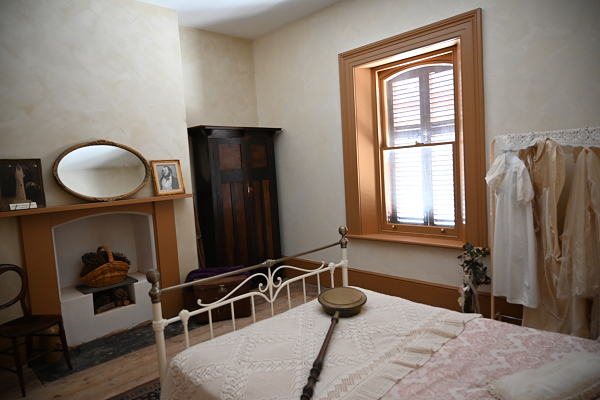
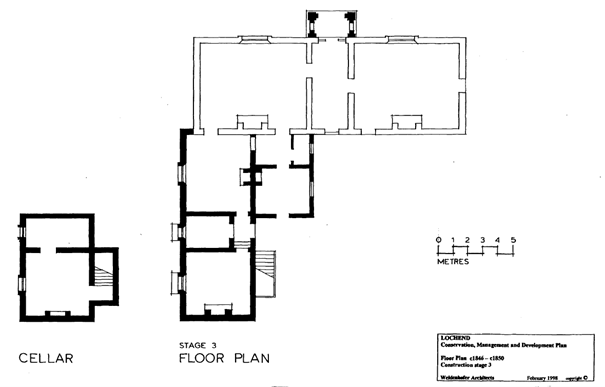
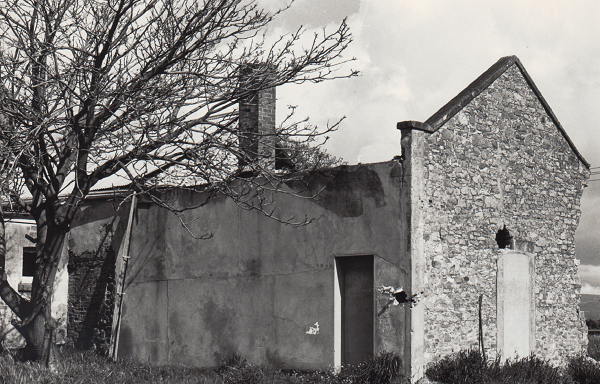
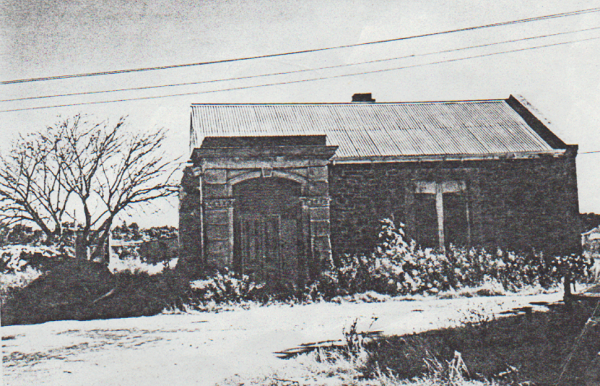
Lochend House was built of river stone and included a stucco porch, hall and living room with a finely moulded ceiling, along with a roof of wooden shingles, and it is believed Campbell later added three bedrooms and a cellar. Lochend House sat within four acres of garden and 156 acres of arable land on the estate. The house incorporated into the construction a stone hut that had been previously built on the site (Everett, 1981). The archaeological dig carried out in 1998 indicates the house was built in 3 stages (Weidenhofer Architects, 1999).
In 1851, Charles identified as living at Lochend when he put himself forward for election to the Legislative Council. In 1852, a notice in the Register indicates Charles Campbell was planning to leave the property.
In 1853, Mr Schroder (a tenant) offered grazing on Section 309 at Lochend, providing Lochend as his address (South Australian Register 1853). Early council records show the property transferred to Mr James Scott of Para Station (NSW) in 1855 (Leaney 1968), who passed ownership to Mrs Jessie (Scott) Macdonald) in1858. Postal Directories from 1867 show Mrs McDonald living in Campbell Town (1867). Several improvements were undertaken, and by 1873 the council assessment described the property as an eleven-room stone house set within four acres of garden and 58 acres of land, with a stable, cottage and coachhouse.
In 1875, the property passed to David Mundy. It was noted in the Adelaide Observer (1878) that 'Mr D Mundy has had a very handsome villa residence erected at Lochin Park, which has a fine commanding appearance, and is provided with every convenience. It is surrounded by a spacious ornamental verandah, and has a lookout on the roof. The contractors were Messrs. Baker & Humbley, and the cost amounted to about £3,000.' and it was designed by prominent South Australian architect, Daniel Garlick.
Lochend and Lochiel Park then passed to Jonah Hobbs in 1898, who was the first to apply to have the property listed under the Real Property Act, and it was then that the first Certificate of Title was issued (CT683/102).
In 1913, the property passed to James Harris Hobbs and C H Treloar and then to Frank Hedly Hobbs in 1914.
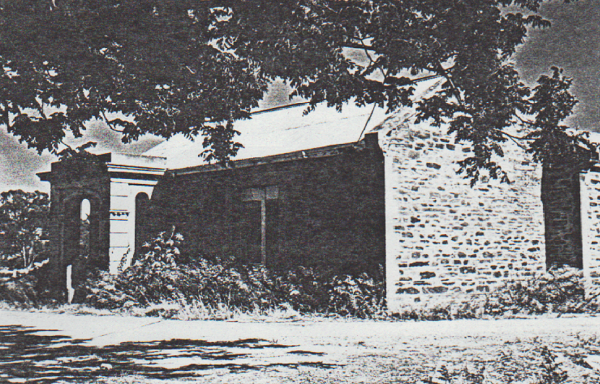
In 1947, the property (including Lochend and Lochiel Park) was sold to the Crown. Lochend House remained in use as employee accommodation until 1953, when it was abandoned (Whardall, p 65, cited in Irvine).
Restoration
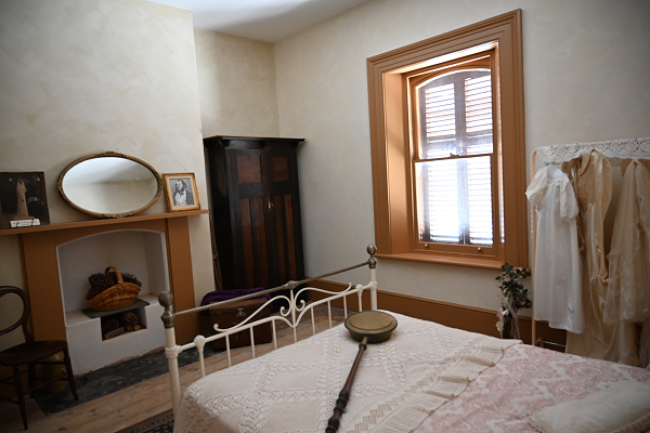
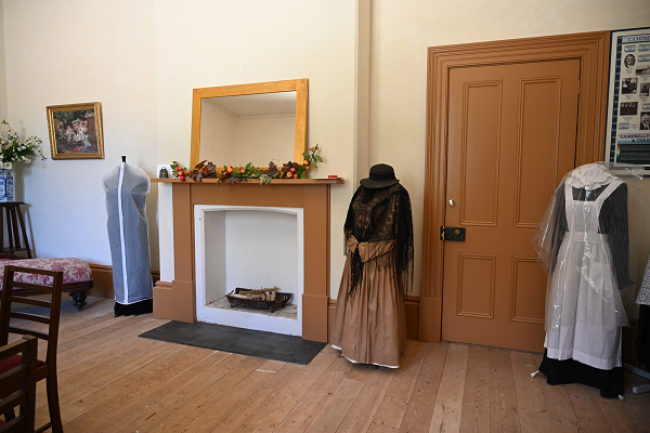
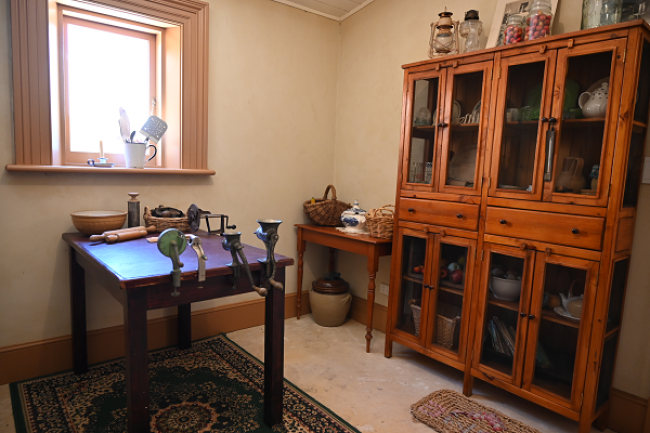
In 1982, Lochend was dedicated to the Campbelltown City Council under a Trust grant for historical purposes. On 7 February, 1994, the City of Campbelltown established the Lochend Advisory Committee to 'investigate the preservation of Lochend and to make recommendations on the work and resources required to complete the preservation' (City of Campbelltown 1994). This committee assessed the extent of the deterioration of the structure and commenced securing the property and sourcing quotations for the restoration.
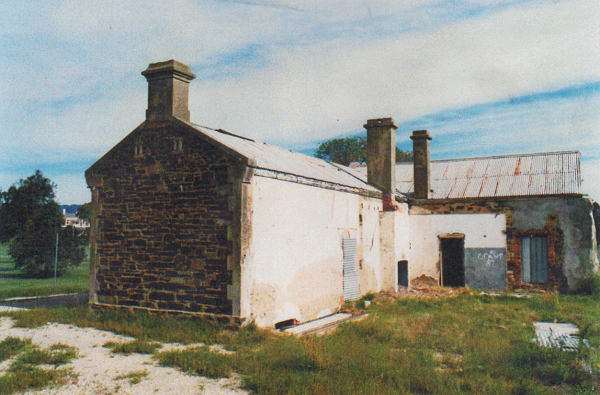
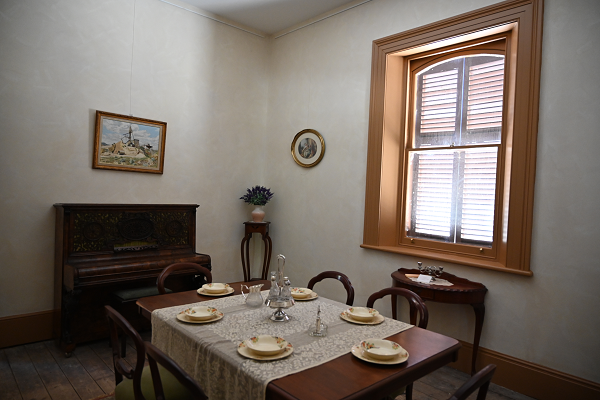
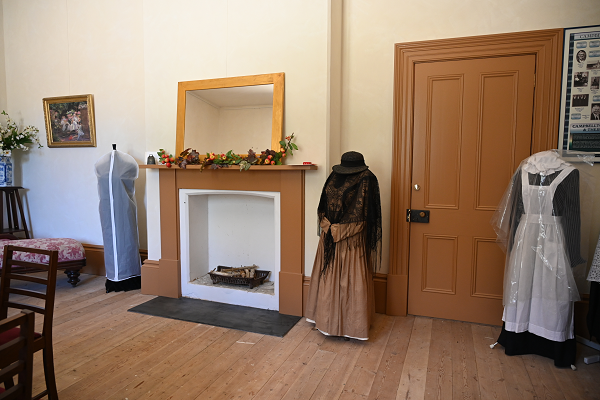
In May 1998, an archaeological dig was undertaken. The work was expected to answer architectural questions as to the sequence of construction and the material used. It was noted that the floors in the hallway and sitting room appear to be original (Weidenhofer Architects,1999).
By 2000, Stage one of the restoration project was under way, and it was reported that the Campbelltown Council received $50,529 from the Centenary of Federation program for the project (Trecassi, 2000). The $100,000 needed for the restoration's first stage was shared by the Campbelltown/Rostrevor and Athelstone Kiwanis Club, Campbelltown Council and the State Heritage Fund (Hooper 1999). The work was part of a Lochend Conservation, Management and Development Plan, endorsed by the council the previous year and accompanied by the launch of a public appeal to make up the $500,000 shortfall for further stages of the restoration.
This was followed by another public announcement that land next to historic Lochend House was proposed for development as a housing estate (Chapman 2000), and this sparked community opposition (Chapman 2001) that was ultimately successful in securing open space for future generations. Lochend House was open to the public on Sunday 28 October 2001 and again in 2002, providing an opportunity for the community to appreciate the extent of the Lochend Restoration Project (Messenger 2001).
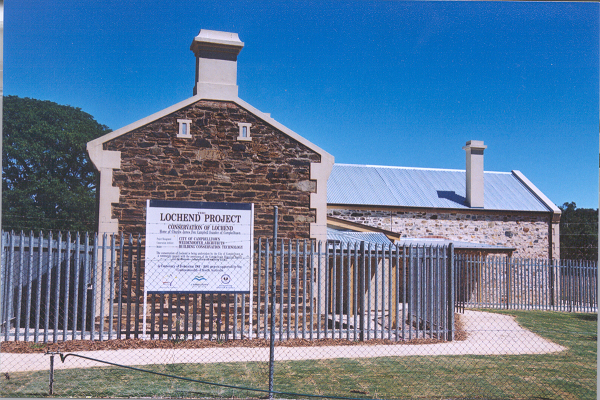
Lochend House was officially opened by Campbelltown Mayor Steve Woodcock at a private ceremony on Sunday 29 February 2004 (Spence 2004). In celebrating the restoration of Lochend House, the City of Campbelltown acknowledges the involvement, support and vision of:
- The Campbelltown Historical Society
- The Kiwanis Clubs of Rostrevor / Campbelltown and Athelstone
- Heritage SA
- Tourism SA
- The Hon Alexander Downer (Electorate of Mayo)
- The Hon Christopher Pyne (Electorate of Sturt)
- Project Manager Simon Weidenhofer
- The Community of Campbelltown