

Saving energy at home
Reducing your energy use at home can help lower your bills and reduce your environmental impact.
While South Australia is increasing its use of renewable energy, some of our electricity and gas still comes from fossil fuels. Using energy more efficiently at home helps reduce emissions associated with these sources, while also saving money for households.
Understanding how your home uses energy is an important first step. It can help you identify where energy is being wasted and where simple improvements can make a difference.
There are many practical ways to reduce energy use, through smarter choices when building or renovating, selecting efficient appliances, and improving how you heat, cool and run your home day to day.
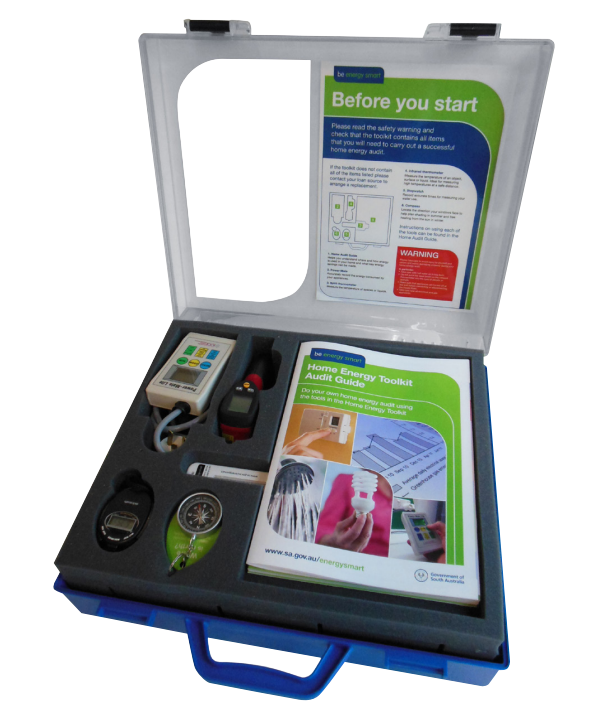
Do a home energy audit - SA Government Website
To help you do this at home, a Home Energy Audit Tool Kit is available to borrow from the Campbelltown Library.
Once you've completed your home energy audit, here are some other resources with tips for next steps:
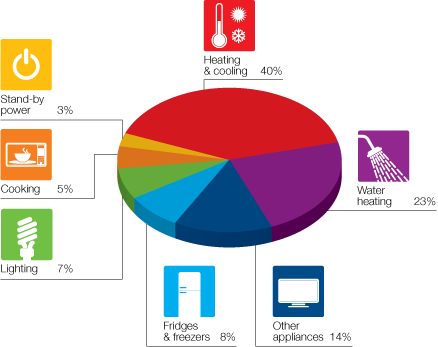
Heating and cooling your home can account for about 40% of your energy use. By making simple changes around your home, you can reduce both the financial and environmental costs of staying warm in winter and cool in summer.
Efficient home heating
Preparing your home can reduce how much you rely on heating appliances:
- Insulation: Effective insulation can reduce up to 60% of heat lost through your ceiling and walls.
- Curtains and pelmets: Up to 20% of your heating can also be lost through your windows. Thick curtains with pelmets can insulate windows and keep rooms warmer.
- Draft proofing: Up to 25% of your heating can be lost through door air leaks. Using draught excluders under doors, sealing strips around doors and window frames, and filling gaps can help stop heat escaping.
Practical habits and behaviours can also reduce the need for heating appliances:
- Heat the person, not the room: Start with adding extra layers of clothing, using hot water bottles, wheat bags, or inexpensive electric rugs or blankets.
- Only heat the areas you need: Divide your home into sections (or zones) by closing doors, only heating the areas you’re using. For example, heat your living areas during the day but close the doors to your bedrooms.
- Let the sunshine into your home: Open curtains and blinds during the day. Heat will be stored if the sunlight warms a tiled or concrete floor, warming your home into the evening.
For more helpful tips, visit www.sa.gov.au/topics/energy-and-environment/using-saving-energy/heating.
Efficient home cooling
Simple steps to help keep your home cooler in summer while reducing energy costs:
- Shade windows: Keep out unwanted heat by shading the north and west sides of your home. Adjustable external shading, leafy trees and closing curtains and blinds will help keep your home cooler in summer.
- Insulation: Installing insulation in your ceiling and walls can significantly reduce heat coming into your home.
- Only cool the areas you need: Divide your home into sections (or zones) by closing doors, only cooling the areas you’re using.
- Service cooling appliances: Follow maintenance instructions and cleaning filters, fan blades or vents for more effective and efficient cooling.
- Invest in house plants: Indoor plants hey can improve air quality and add extra shade near windows. They can also absorb heat.
- Switch off unnecessary appliances: Appliances such as chargers, televisions, computers, and lights with warm bulbs can generate additional heat.
- Adjust the thermostat: Setting your thermostat to 24 - 27°C, or higher if you're comfortable, will reduce running costs.
For more helpful tips, visit www.sa.gov.au/topics/energy-and-environment/using-saving-energy/cooling.
Building a new home or extending an existing home is an excellent opportunity to include energy efficiencies. These features will make your home more comfortable, environmentally friendly and can significantly reduce your ongoing energy costs.
Checklists for new and existing homes can help simplify the process:
There are lots of other resources out there with information for new and retrofitting homes to be energy efficient:
There is a large array of retail energy providers that offer a range of services and discounts. An easy way to compare suppliers and find the best deal for your circumstances is available on the Australian Government's Energy Made Easy website.
Confused about what your bill is telling you, or have an unusually high bill? Visit the SA Government's energy bills, help and rebates page for help understanding bills, paying bills and information about solar feed-in payments.
Government and community programs can help your business reduce the amount of energy and water it uses. The help could be through funding, advice and access to money-saving initiatives.
See if you’re eligible to receive a rebate when purchasing energy efficient materials and appliances. You may be eligible if you’ve installed insulation, secondary glazing, new energy efficient heating and cooling appliances, water heating, lighting, fridges, washing machine, stand by power controllers and more!
Check Rebate Eligibility - Retailer Energy Productivity Scheme Website