

Tower Hotel mural
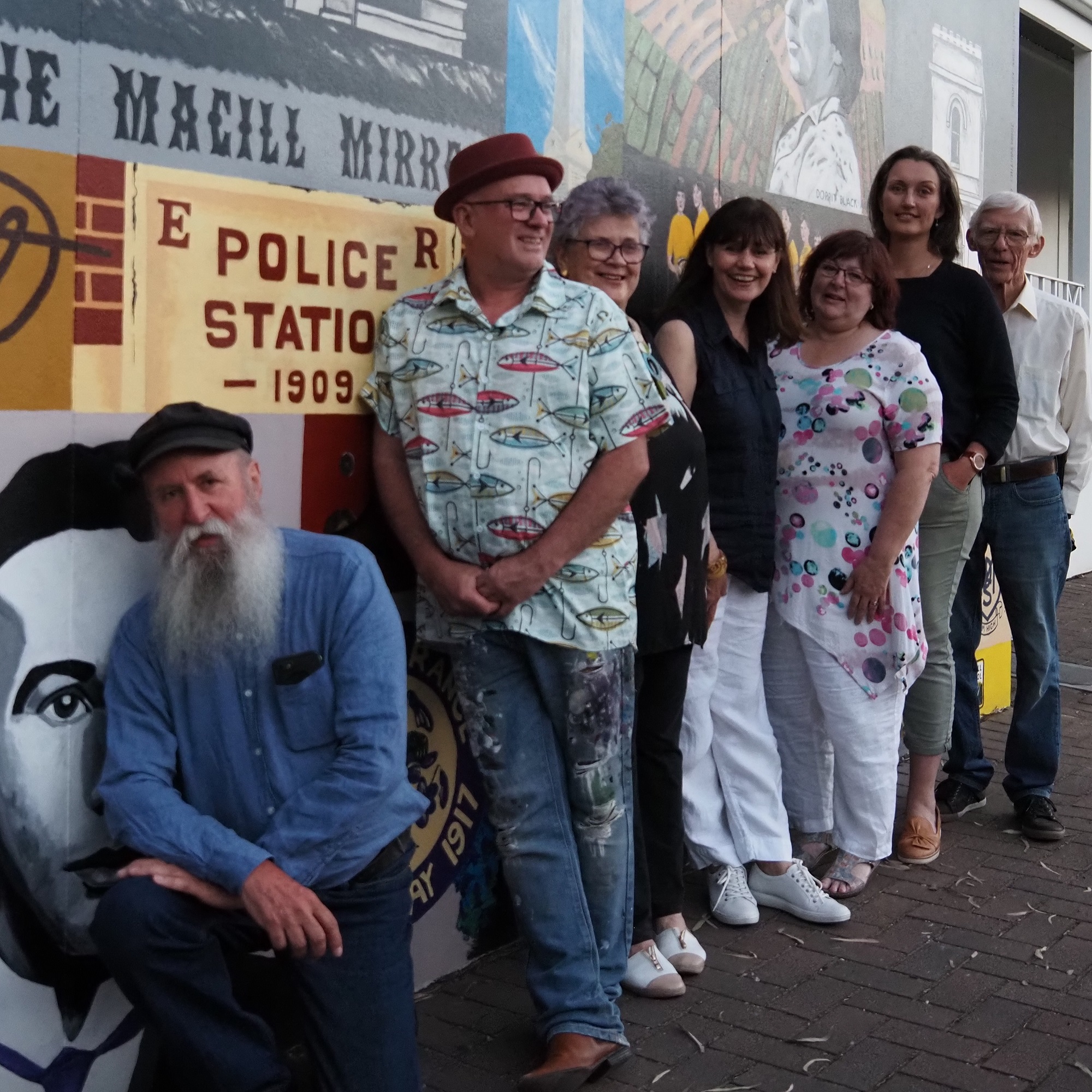
The mural at the Tower Hotel in the Magill Village precinct was completed late 2021.
The 11 metre long mural is on the western wall of the Tower Hotel, situated on the corner of St Bernards and Magill Roads. If you’re passing by, stop and take a look.
Designed by John Whitney and painted together with Bernadette Freeman, Ann Whitby, Sally Caston, James Parker and June Turbin, the mural depicts the history of the Magill area, which was originally known as Makgill.
The mural features the pre-European natural environment and Indigenous presence, European settlement, and significant buildings, businesses, schools, and people from the area.
History behind the Tower Hotel mural
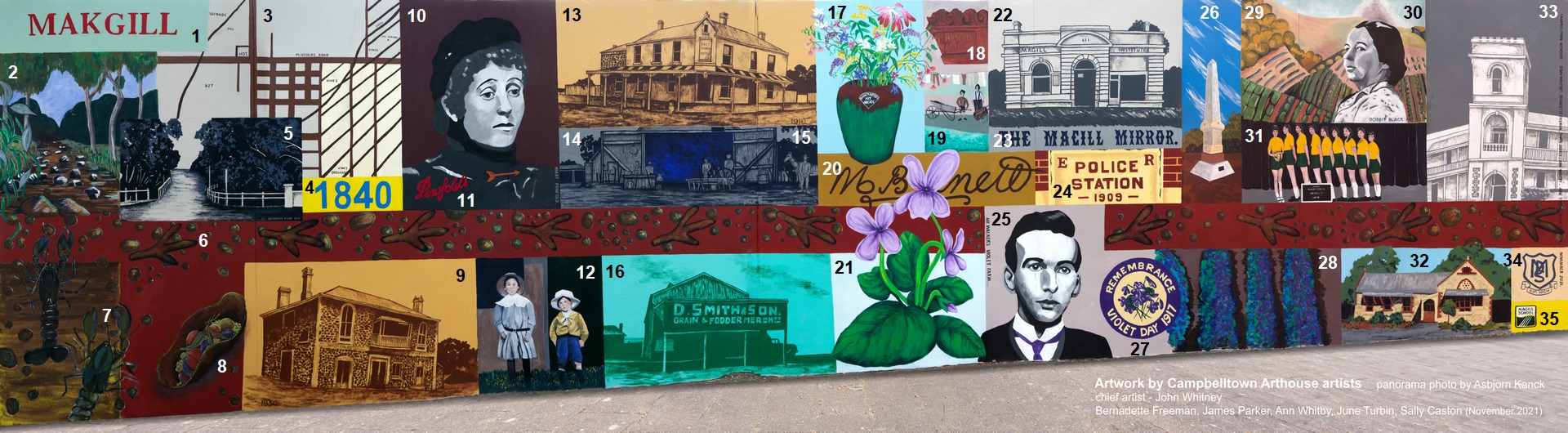
Match the numbers above with the descriptions below to learn a little history about each component of the design.
1. Makgill was named after Sir Maitland Makgill. Over the years, the spelling of the name varied including, Mackgill, Macgill, Macgiel, and McGill, until the current spelling of Magill prevailed.
2. Third Creek is one of the five major creeks that flow through Metropolitan Adelaide, this ephemeral watercourse has been critical to the development of the area.

3. A reconstructed map of Makgill Village as it would have appeared in the 1840s. It shows homes and businesses clustered around the south-west corner of Magill and Penfold Roads surrounded by vineyards, farms, and market
4. In 1840, the Woodforde Arms Inn was the first hotel built on the site now occupied by The Tower Hotel. Also on the premises were a good skittle ground and blacksmith's shop.
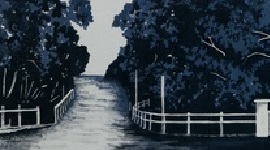
5. Originally known as 'the road to the new town' or Newton Road, it became known as St Bernard’s Road sometime around 1845, when St Bernard’s Village was established near Sparks Terrace, Rostrevor.
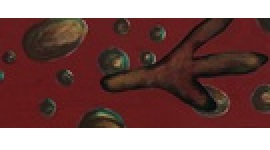
6. Magill is on Kaurna Country, near the boundary with the Peramangk People of the Adelaide Hills.
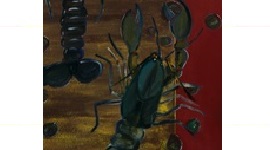
7. Yabbies (freshwater crayfish) once common in the rivers and creeks now listed as a vulnerable species were an important food source for the local Kaurna People.
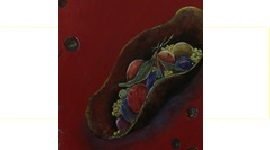
8. Coolamon is an anglicised NSW Aboriginal word used to describe an Australian Aboriginal carrying vessel, in the local Kaurna language it is known as a yoko.
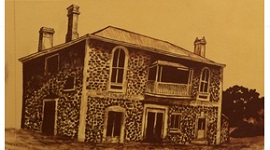
9. The World’s End Inn opened in 1845. By 1909 the Government was under pressure to reduce the number of liquor licences and withdrew its licence.
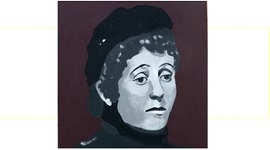
10. When Dr Christopher Rawson Penfold had to step back from the day-to-day operations of the vineyard, Mary Penfold took over the winemaking and soon became recognised as a vigneron in her own right.
11. Dr Christopher Rawson Penfold (1811-1870) purchased The Grange Estate in 1844, part of the original Makgill Estate, where he established a vineyard and experimental garden.
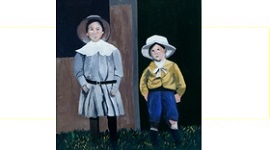
12. Mayor of Campbelltown (1960-1968), Edward Royal (Roy) Wadmore (1901-1981), standing in front of his family home with sister, Helen Baker Wadmore (1893-1984).
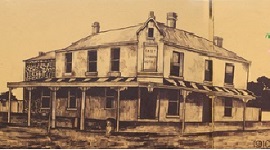
13. The East Torrens Hotel was built in 1852 for Captain Thomas Brooks Penfold (1796-1864), brother of Dr Christopher Rawson Penfold. This was the second hotel built on the site now occupied by The Tower Hotel.
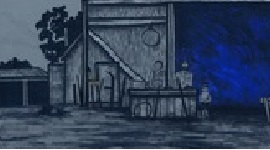
14. In 1840, the Woodforde Arms Inn advertised “a blacksmith’s shop on the premises”. The first recorded sale of an allotment in Makgill Village was to a blacksmith in 1842.
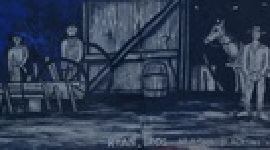
15. The Ryan Brothers’ Blacksmith Shop, established circa 1883 by Malachy and Patrick Ryan, stood on Magill Road opposite the corner where Old and New Norton Summit Roads meet.

16. 574 Magill Road, the Magill Grain Store began in 1923 as a chaff and grain merchants owned by J Kermode. Today the business is one of Adelaide’s largest pet and garden suppliers.

17. Briant Road, the only surviving pottery of a once thriving industry in Magill. Currently owned and operated by John Bennett, a fifth generation Bennett.
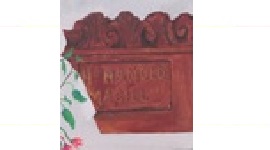
18. Hanold's Pottery 1877 to 1935. In the 1920s, Hanold’s Pottery leased to Bennetts Magill Pottery, closed and demolished in 1936.
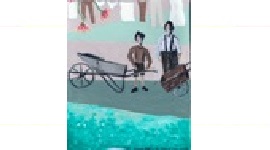
19. Magill is renowned for its terracotta clay soils. The red terracotta clay was dug from a pit in the pottery yard and taken by wheelbarrow to be processed, after which it was placed in the cellar until needed.

20. William Charles Bennett (1871-1952), son of the original owner, took over the pottery in 1915 and changed the name from ‘Charles Bennett and Sons’ to ‘W.C. Bennett Magill Pottery’.
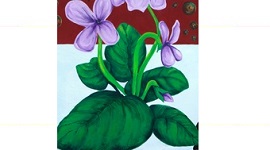
21. Flowers of all descriptions were a common secondary crop for local farmers and market gardeners when other fruits and vegetables were out of season.
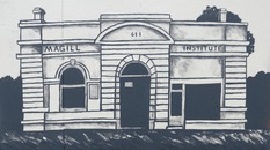
22. Mrs A B Murray laid the foundation stone for the Magill Institute in 1901, and it opened in 1902. In 1991, it leased to the Windsor Theatre Group as the Magill Cinema. In 2018, it became the Hibernia Café.
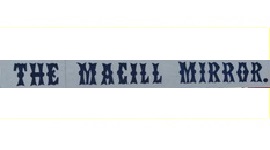
23. Issued by the Advertising Committee for the Magill Institute Fair in 1919, 'The Magill Mirror' was one of a number of short-lived local newspapers published in Magill.
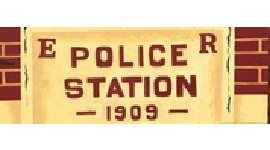
24. The first purpose-built police station in Magill. “A new police station at Magill has been erected, comprising a charge-room, four living-rooms, cellar, outside kitchen and bathroom,” report to Parliament, 1909.

25. Alfred Lionel Walker (1892-1956) established his King Violet Farm on Third Creek near Magill in 1919. Alf and his wife Gladys grew violets commercially until about 1958.
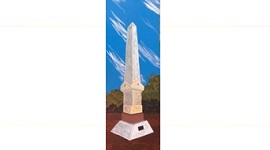
26. A cenotaph memorial to thirty-three men who enlisted from the district and died on active service in the First World War (1914-1918). Lest we forget.

27. On Violet Day, 29 June 1917, tin buttons were sold to raise funds for returned soldiers. In the 1920s and 30s, special Magill trams ran to the violet farms on Violet Day.
28. Violet farms once covered many acres of land in the foothills surrounding Magill. Many of the labourers employed on the violet farms in the 1920s and 30s were first generation Italian immigrants.
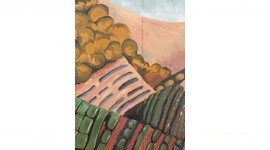
29. An iconic work by Australian artist Dorrit Black, oil on canvas, 'The olive plantation', Magill, Adelaide, 1946, looks south from Coach Road, Skye, towards the historic olive plantations of Stonyfell.
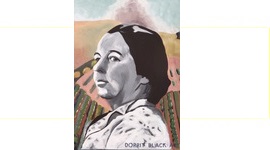
30. The most famous artist to live and work in Magill was Dorrit Black (1891-1951), who pioneered Modernism in Australian art.

31. Magill Primary School Netball Team 1976, from left to right: Margaret Polglase; Jenny Nealy, Andrea Klaebe; Wendy Clark; Julie Harris; Julie Hammond; Joanne McCallum; Angela Dadds; Donna Thomas.

32. Magill Primary School was erected in 1882 on the corner of Pepper St and Magill Rd. From 1926 until 1963 it was as an infant school. Since 1995 it has been knows as the Pepper Street Arts Centre.
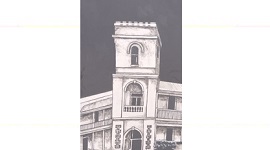
33. The third hotel built on this site. After the downfall of its rival the World’s End Hotel in 1909, the East Torrens Hotel sold to Thomas O’Mara in 1910, who set about a major rebuilding program.

34. Infant Practising Schools, established for the training of kindergarten and sub-primary teachers, were renamed ‘Demonstration Schools’ in 1961. The name changed to Magill Junior Primary School in 1975.

35. Magill Primary School became a government-licensed school in 1852, then a government-funded State School in 1876. It's motto is 'Aim High'.