

Our fruitful record oral history project
A history of market gardens in Campbelltown
The oral history project captures, exhibits and celebrates our city's rich and unique history of market gardens in the 20th century. The sesquicentennial (150th) year of Council offered a timely opportunity to acknowledge and commemorate this intrinsic part of Campbelltown's local social and cultural fabric.
Market gardens have been a significant feature of Campbelltown since the 1850s and especially in the post-World War II period. They were the major industry in the area for over 100 years. They have now all but been replaced by suburban homes and subdivisions. The land provided food, employment, a sense of community and identity for generations of market gardeners yet their stories remain largely unrecorded.
The project was funded by Council to record oral history interviews with 10 people (narrators), who have direct experience of market gardening in the area. They were either market gardeners themselves or were involved through their families who have owned and worked gardens or through working for others. In their interviews narrators record the history of their family and the contribution made by market gardeners since the 19th century up until the early 1990s when the last of the family businesses sold the land to developers.
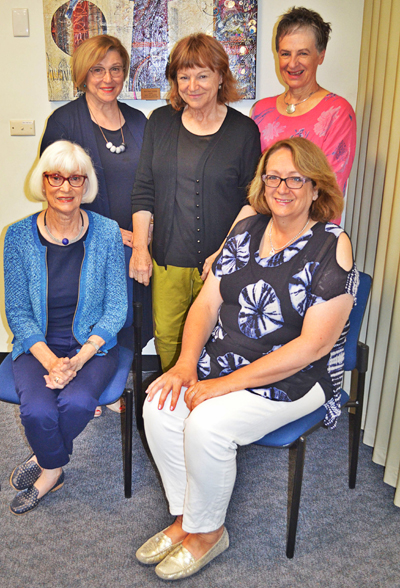
Council engaged consultant Madeleine Regan to guide the oral history project. Community Development Officer, Ann Sharley, managed the project. Our three trained, passionate volunteer interviewers, Di Booker, Maria Crisci and Katrina Spencer, worked closely with the narrators to record their experiences and memories. The project photographer, Annette Fort, created a series of photographic portraits of the narrators.
Themes
The project was clustered around seven themes: land, family, crops, work, soil, water and community. These themes were chosen as they reflect the shared memories and knowledge generated in the oral history interviews.
Communities developed around the small villages that were established in the early days of the Campbelltown region: Magill, Paradise, Athelstone and Campbelltown. Many early market gardening families continued to live and work in the area for several generations and this resulted in a stable community. Market gardening families knew each other and were often involved in the same church or in sporting clubs such as the football teams. An annual agricultural show was held at the Glen Roy Oval, Paradise from the 1920s until about the late 1940s and people exhibited their vegetables and fruit. The immigration of Italians after World War II who worked family market gardens added to the growth and diversity of the community. The long tradition of the community of primary producers built a strong foundation for the food culture for which Campbelltown Council is known today.
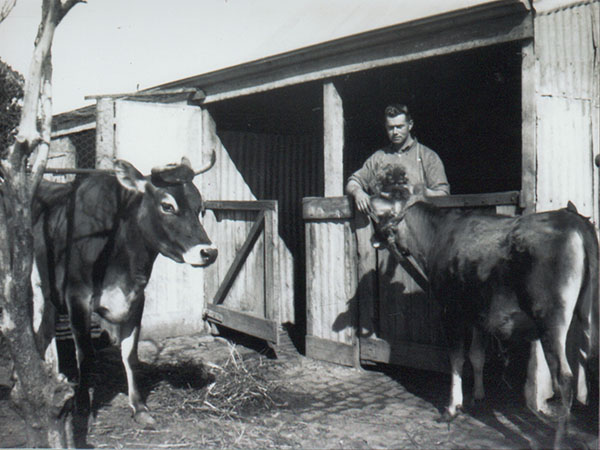
"… we had two milking cows, Mum and Dad, coming from Italy, they used to make cheeses and ricotta… I saw the transition from draft horse and tractors… we used to work the land with the draft horse and what else? Chicken, we used to grow ducks and we to also, in those days, you could grow pigs… to make our own sausages and smallgoods…"
Sam Mercorella
"…by the time I was 10 to 12 maybe, we got to do bits and pieces… there might have been hoeing, weeding, we got involved a bit in the watering because they used water from a bore and they ran water down a canvas channel alongside the ends of rows."
Margaret Emery
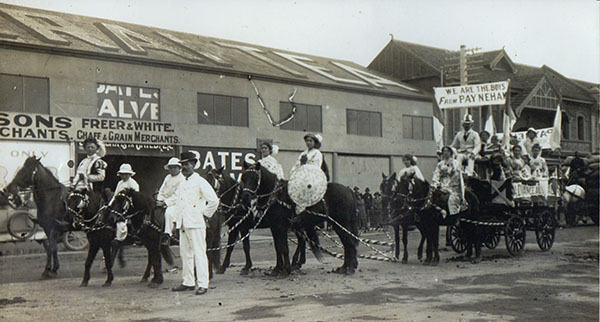
"And I used to do all the tractor work those days and used to plough, do all the things that we had to but… when I left school in ’62, I came back on the land."
Sam Mercorella
"The churches meant a lot, there was two churches in Athelstone. ... the top end church was the Gorge Church they called it. They had their congregation and we had our congregation ... just quite close to where the Athelstone Shopping Centre is today ... and came middle of January, early February, we’d have a picnic, and the two churches used to combine, and they used to load the trucks up, trucks with boards across for everybody to sit in the back of a truck. Twenty people or more, all sitting in the back of truck. We’d go down to Brighton, or Henley Beach or Glenelg, and we’d spend the day down there having a picnic, so the community was fairly, from my eyes, was very combined."
John Lomman
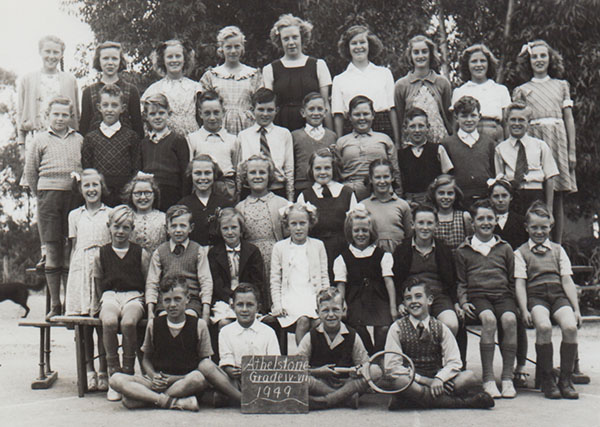
"(our father)... said that primary school education was good enough to work in a market garden, only things changed later on and we did a lot of reading in our young days and that sort of educated us in how to use all sorts of words and circumstances we didn’t learn at school."
Merv Ey
"Well, they worked long hours, didn’t they? And they were working five days plus they worked till dinner time, 12:00 pm they used to knock off and well, Sunday morning, a lot of them were church goers back in those days…"
Paul Emery
"I can remember as a small child, what is now the Campbelltown Oval was the Glenroy Oval, Dad was on a committee, a progress committee and a group of local growers used to meet down there to organise the trotting track ….... They used to have a Show once a year which was magic, ... all the growers used to have an exhibition of their produce, it all used to be judged, they had trotting, they had all horses in action, all the local growers used to get together on the progress committee and organise it all, and it was a huge event in Campbelltown. All the machinery sales people had their little displays of tractors etc.. It was a mini Adelaide Show, and it used to be one Saturday a year."
Jim Pierson
"My grandmother, she used to go to the abattoirs once a month. And she’d go around to the different growers and… they might have a little pig, piglets, they didn’t want or something, and she’d take them out to the abattoirs, and she had a little business."
John Lomman
Market gardeners in the Campbelltown Council district grew a variety of crops from the earliest days of commercial gardens. The vegetables were grown according to the seasons. The main winter vegetables were celery, cauliflowers and cabbages. In summer, “bunch vegetables” such as onions, potatoes, carrots, turnips, parsnips, beetroots, beans and tomatoes were grown.
Market gardeners used to raise their own seed in nurseries before the introduction of hybrid varieties. Some areas were particularly suited to growing celery which was first planted in the Paradise area in the 1920s. Campbelltown became famous across Australia for its celery crops which were transported interstate for many years.
New varieties of crops were grown as market tastes changed and sweet corn was introduced in the area. Italian market gardeners grew different vegetables such as fennel, zucchinis and capsicum which were integrated into Australian cuisine.
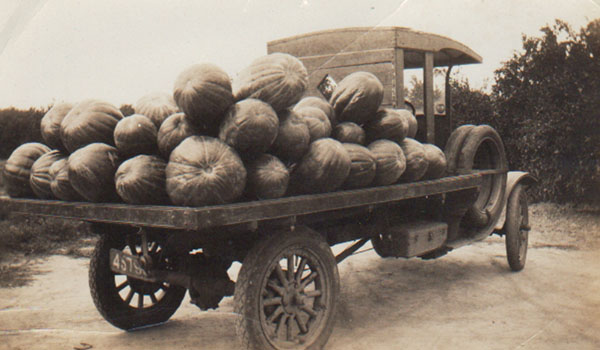
"…bunch stuff – carrots, beetroots, onion …that’s how [it was] in this street [Graves Street Newton]"
Ilda Cavuoto
"He worked for Packers and he worked for …and then gradually started working for himself after the War – through the War and at that time, Dad had nothing – no horse or nothing you know… he grew some rockmelons. We used to sell them by the reservoir there and Dad used to take them there with a pushbike."
Charlie D’Angelica
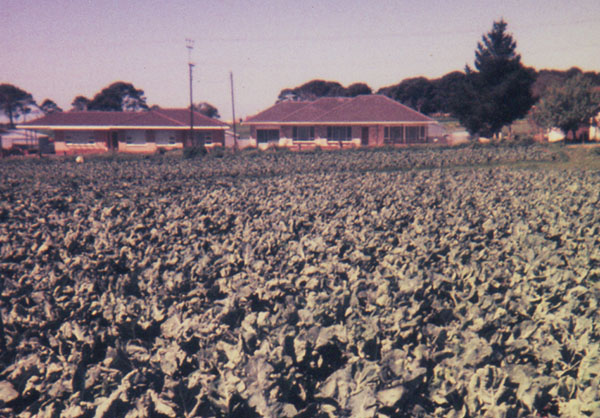
"We had our little packing shed where we used to come in and tomatoes would be all graded, hand graded. My mother used to do a lot of it, and she used to do what they used to call, row and grade. That means put them in rows and grade them, and we used to sell a lot on the old Ghan. We used to go to Alice Springs, and they used to load the trucks and they’d go to Darwin. They’d be ready, almost ready to eat when they got there, because in those days I think it was about four days to get to Darwin."
John Lomman
"I started – my garden was going all right and I had grasshoppers turn up and they stripped the whole lot – carrots and lettuce and everything."
Charlie D’Angelica
"What we were growing when I started was onions, potatoes, tomatoes, celery, cabbage, beetroot and trombone and we dropped here, we were growing the tomatoes for Rosella but … eventually it became unviable so we stopped growing tomatoes in ’62 and then we were getting bigger in celery… so we became celery growers really, we started to go up in the ‘60s and ‘’70s and I think our biggest planting year was in 1981. The American variety starting to come in then… we had 222,000 plants we planted that year…"
Paul Emery
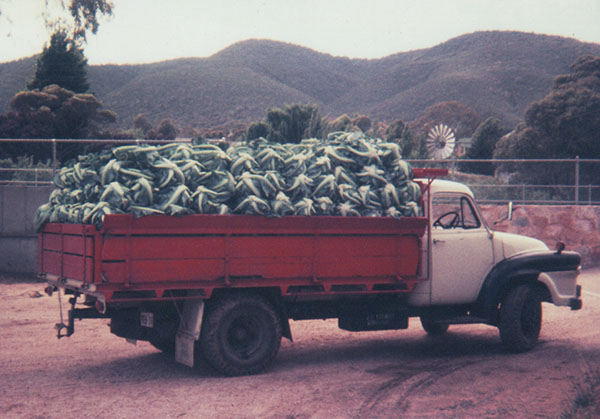
"We grew between fifty and sixty thousand cauliflowers in a season, all sorts of varieties that you had to know the correct time to plant the seed and so they followed on in your trade in the garden that you had to have it spot on, you planted seed beds yourself. Nowadays they have all the plants grown for them."
Merv Ey
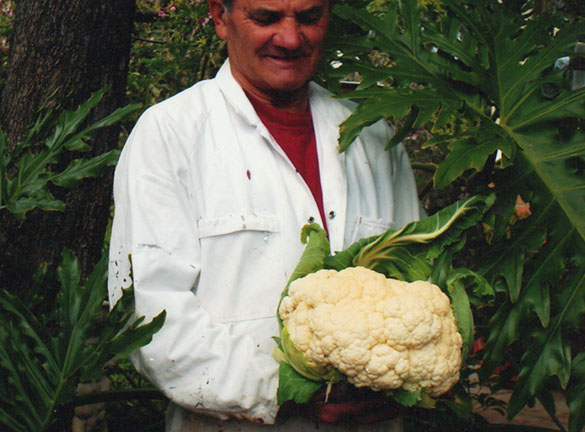
"…when Dad was growing cauliflowers, they always saved their seed, they had their different varieties, all the growers had their different varieties that come in different times of the year. They used to save the seed, select the particular selection, and… grew the seedlings in seedbeds, then transplanted them out. We used to run the water down trenches for the cauliflowers, so you used to use a trowel just to pull the wet soil apart and drop the plant in. It was all flood irrigation."
Jim Pierson
"I think we had about nine different crops. There was carrots and parsnips and beetroot, they were the bunch, and then we grew a lot of tomatoes, and in the winter we had the caulis and cabbage, and we used to grow a lot of red cabbage. You had to have things that two people could run easily."
John Lomman
"[We grew] mainly lettuce, carrots, onions, beans, normally French beans, runner beans … and root crops like mainly parsnips, beetroot, carrots, all those vegetables grew well because the soil was very good."
Sam Mercorella
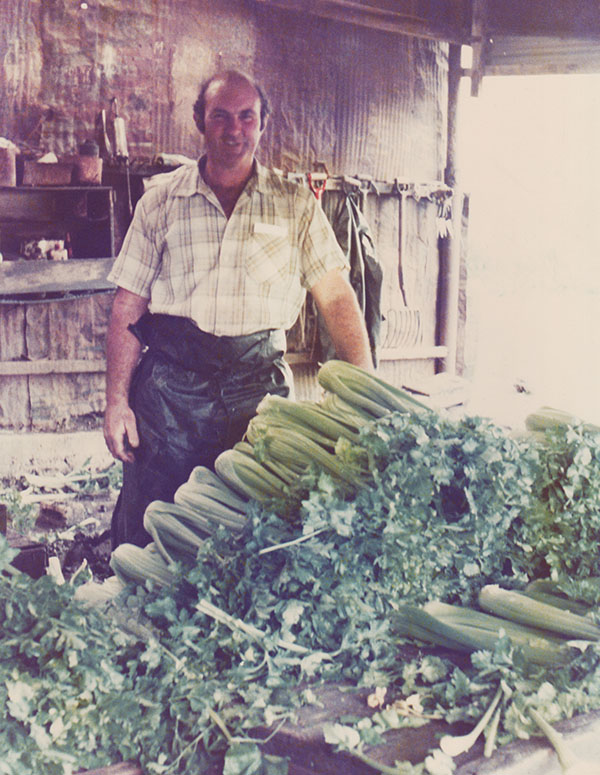
"My parents… when they first started they were heavily into ...carrots, parsnips, turnips, swedes those sort of root vegetables because appetites and food preferences were, we were very much a steak and three veg society back then. And that would’ve been in the sixties, the late fifties and the sixties and then as we progressed more into when I was around picking radishes and parsley and spring onions and spinach and silver beet, we were getting more into the leafy vegetables and the shorter cycle time to grow the vegetables so that you were sowing and you were cropping a lot more frequently."
Robert Parletta
"South Australia was virtually the only one that grew any amount of celery back in the ‘30s… I think there’s only about one or maybe two celery growers in South Australia at the moment… it’s 92% water …that’s why the river was a big attraction for the growers…"
Paul Emery
"…nowadays we go and buy carrots that are grown in Virginia and some of them come from Tasmania and they come from WA, but if you did a blind test the carrots that are grown in Campbelltown and this area around Paradise, the sweetness and they’re just to die for. So if you did a blind test you’d soon get a lot of people voting as to what the Campbelltown carrots were because they were just very great to eat, hard work to harvest."
Robert Parletta
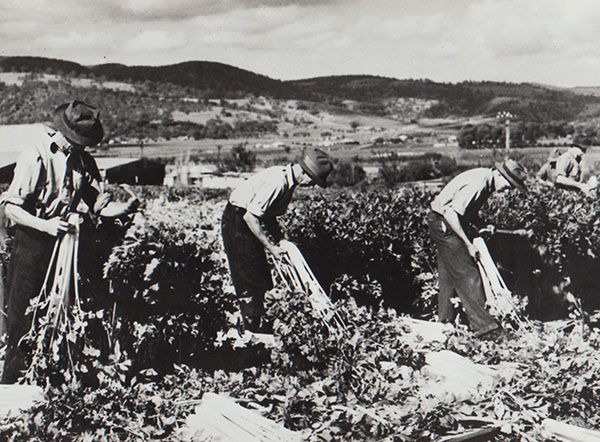
"…they used a horse, they used a tractor and… they used to put, to make the celery white, the boards along the side of the celery, the watering, they used to pump water from the river into a big tank…"
Maria Matteucci
"…years ago they used to celery grew taller and they used to put boards on it, either side of the row about a fortnight before they cut it to make it go white, bleach it. And the celery then grew taller and then in later years they brought in what they called American celery was shorter and was supposed to be stringless and you didn’t have to put the boards on that so much, it bleached itself."
Dennis Lorenz
"Arnold sold it to… Timo Angelini, an Italian and Dad became a partner with him …at the end of the ‘60s… Timo and [my Dad] were partners …and they grew only celery… they worked Saturday but not Sunday. Sunday was the only one off they’d have…"
Maria Matteucci
"Then with celery we used to run the water down the trenches. We, again, used to grow our own seedlings, you’d select them out of the seed bed, and leave the weaker plants and feed the best plants, and you’d transplant, you’d cut the tips of the tap root off and cut the tops off, and then you’d finger plant them in the mud."
Jim Pierson
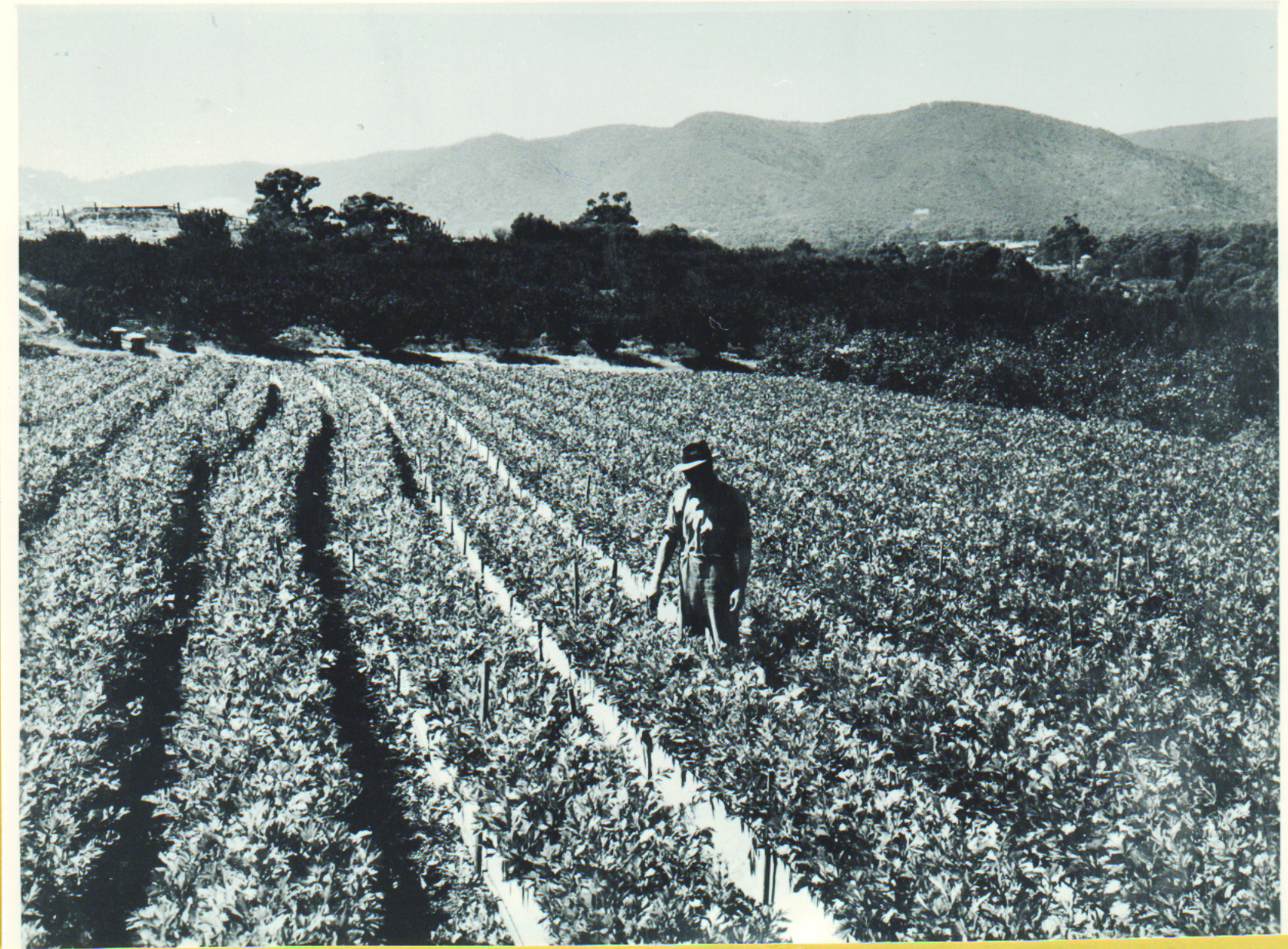
“[We grew] mainly lettuce, carrots, onions, beans, normally French beans, runner beans… and root crops like mainly parsnips, beetroot, carrots, all those vegetables grew well because the soil was very good."
Sam Mercorella
"There was 102 celery growers in South Australia. And later years I went out to Virginia for 10 years and there was four of us."
Dennis Lorenz
The first families who took up land for market gardens and orchards were from England, Scotland and Germany. From the start, market gardens in the Campbelltown area were family businesses and land was often passed down through several generations. Usually one family member sold vegetables at market.
Italian men were in market gardens from the late 1920s. At first they worked for other families and then they leased and bought their own land. Wives and children joined them after they became established themselves. Large numbers of Italian families arrived in the area after World War II. Initially many worked for other growers before buying properties in the 1950s. Some men worked in another job and family members contributed to work on the market gardens.
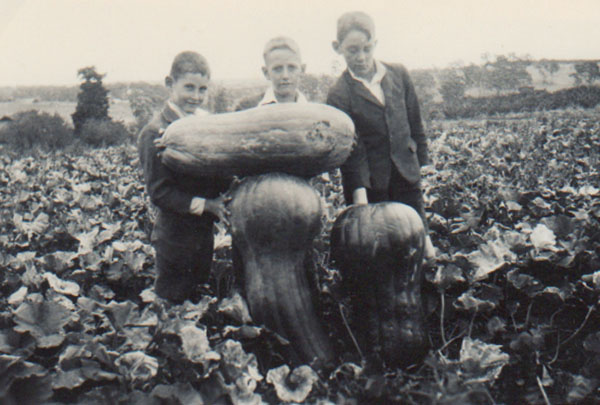
"… by the time I was 10 to 12 maybe, we got to do bits and pieces… there might have been hoeing, weeding, we got involved a bit in the watering because they used water from a bore and they ran water down a canvas channel alongside the ends of rows."
Margaret Emery
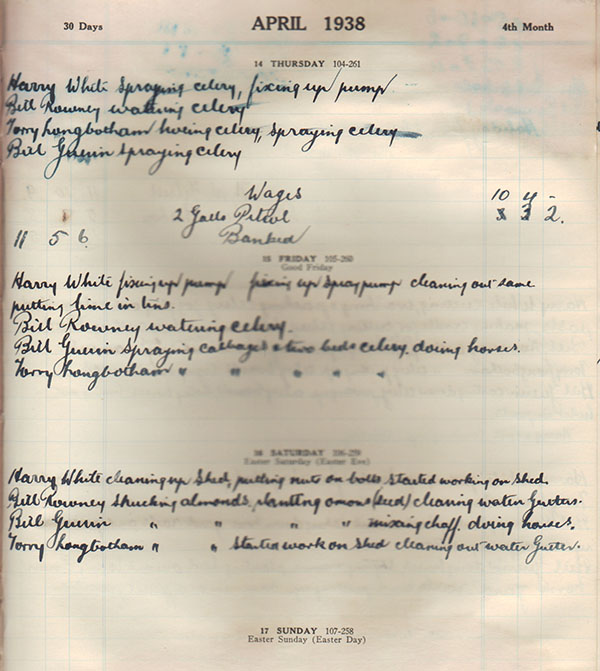
"Our Dad kept meticulous diaries from 1936 to ’42 and every night he entered every job that the workers did during the day… I know in… Dad’s 1936 diary, they were grubbing out a lot of trees… down the river flat and get more land near the creek."
Brian Emery
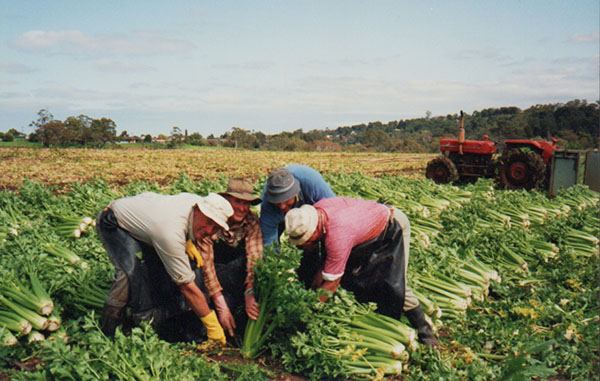
"So I’ve only ever moved about 100 metres from where I was brought up. One of the few people who do still live on the same land…"
Dennis Lorenz
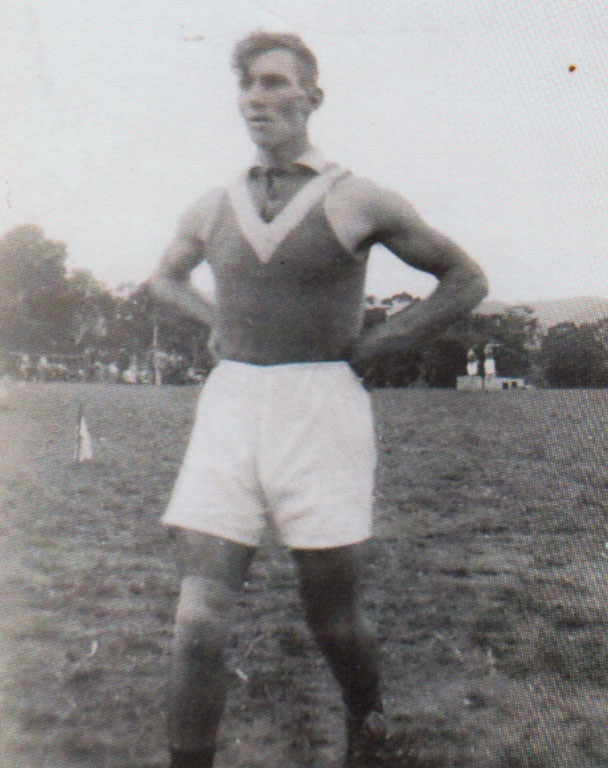
"Our ancestors came out from Germany, our original ancestor came out from Germany and took up a large section of land from Lower Athelstone Road that eventually was divided into four different properties. Our early days we didn’t have a secondary education because our Father felt that our future was in working on the land and he didn’t bother to send us to a secondary school."
Hartley Ey
"So we always say that the farming and marketing is in the blood…"
Brian Emery
"I work in market garden, start when one year before the baby born and after two three months go all the time… take the baby in the pusher, put umbrella on the pusher, go over there for couple hours and clean up the onions… twenty cents the box. [laughs] Thirty kilo the box."
Ilda Cavuoto
“… this is a generational thing that they don’t know when to give up because I remember my father – work is life and life is work. My father ‘s (perspective) there’s no use living – I’m living like a lion, when I become a lamb then it’s all over."
Robert Parletta
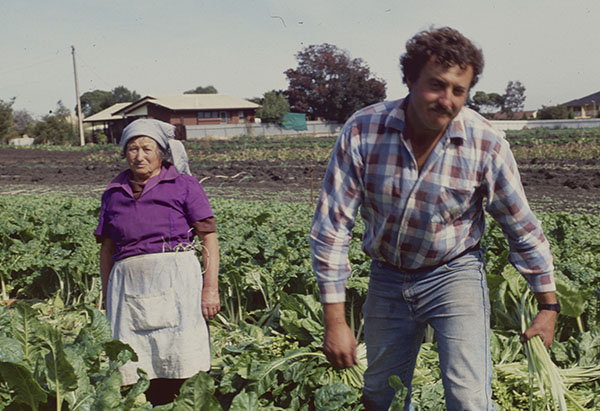
"So it was a lot of long hours working in the garden growing up, it was a case of my parents market garden was not only our home but it was also their place of business and it was a place where they socialised a lot with other market gardeners and other people from the area. I think even as a child you see your parents working hard day-in day-out, there’s a sense of obligation to at least help. I think it’s part of our DNA to help our parents and our family in whatever way we can, so as I got older I came to the conclusion I was fit and able so I could do that…"
Robert Parletta
The Kaurna people, the first inhabitants of the Adelaide Plains, had access to water and abundant sources of food in the area we know today as the City of Campbelltown. The first European settlers were attracted to the River Torrens and water courses and cleared land for farming, orchards, market gardens and stock. By the 1870s market gardens close to the River Torrens were supplying markets with celery, cabbage, cauliflowers, beans and onions.
Vegetable growing was the staple industry of the Campbelltown area until the mid 20th century. Land began to be subdivided in 1960s for housing. The last sections to be developed were the market gardens near the river.
The City of Campbelltown is more than 2,400 square kilometres from the River Torrens on the north to Magill Road in the south and from Glynburn Road in the west to the Mount Lofty Ranges in the east. From about the mid 19th century three distinct villages were settled in the area: Magill, Paradise, Athelstone and Campbelltown. Before World War II the population in the Campbelltown area was less than 5,000. In 2017 the ABS reported it was 51,322.
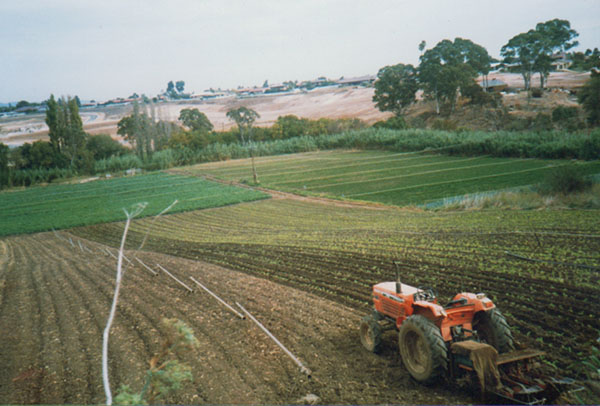
"[In 1953]… start from here [Lower North East Road, Campbelltown] to Newton Road, that was all grapes, all grapes, nothing, no trees, nothing, just the grapes and that’s it…"
Ilda Cavuoto
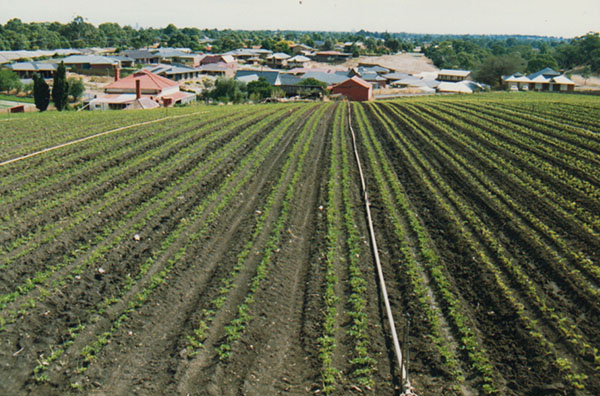
"…I have memories of other families near us… there were quite a lot of Italian families living around us when I was a kid. Ann Street… didn’t have heaps of houses in it, it was much more a country environment than a suburban or city environment, although it was gradually changing."
Margaret Emery
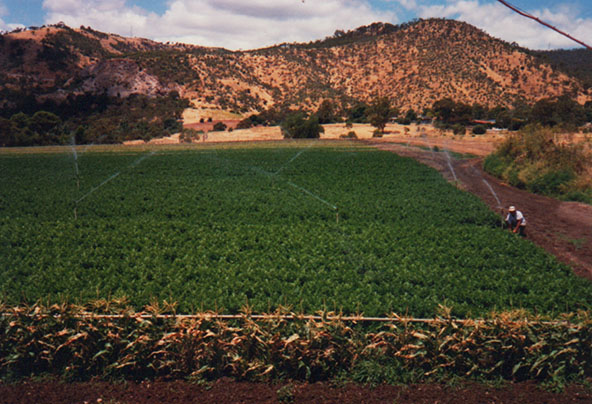
"…we used to run a few cows down along the creek. During the day we’d take them out and let them feed along the edge of the road; just tie them up with a chain. And then at night you’d ...just let them go and they’d walk back to the shed where they used to be milked, they’d just knew to go back there."
Dennis Lorenz
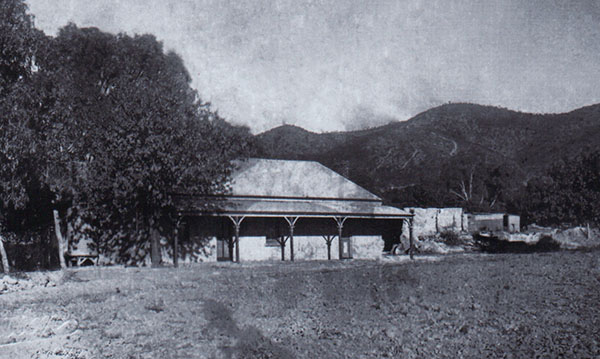
"…after the ‘40s the Adelaide suburbs virtually stopped at Payneham because it was all market gardens."
Paul Emery
"…’56, we bought the property on Gorge Road, 171 Gorge Road, the corner of Silkes road alongside the Reservoir… I still remember we paid 4,000 pounds for the land and five and a half acres and we paid 7% interest at the time… the land was alongside the Reservoir and had olive trees all around and 40 acres… it used to be used for backup water in those days, it was actually to feed the water… from Kangaroo Creek…"
Sam Mercorella
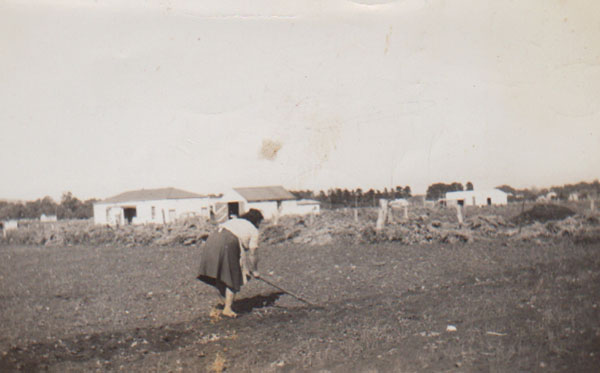
"[The Athelstone area]… it’s just progressively and gradually went from a rural area to a sub-division and it’s changed from a situation where when we were school children we could name nearly everybody in the district and now you’ve got a job to know your next door neighbour."
Hartley Ey
In the Campbelltown region the soil changes from one part to another. In the eastern area the Bay of Biscay black clay soil made it difficult to work in winter as it became sticky. The advantage was that it held water and did not require as much fertiliser. Near the river the soil was sandy and alluvial and the most sought after because it was well-drained which made it easy to plant vegetables. Campbelltown became famous for its celery crops which benefitted from the soil was especially suitable for growing.
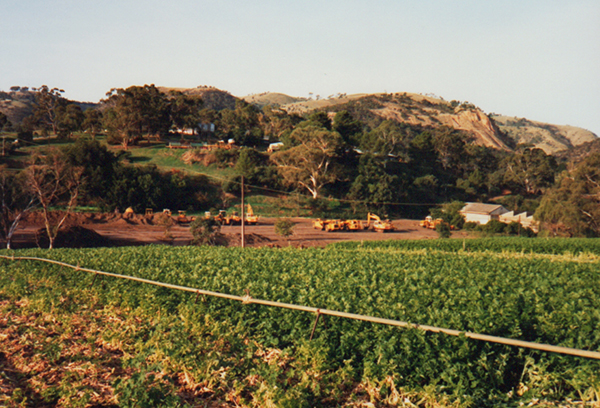
"Well it was terrible because we had to do everything with a fork where now it is all done by machinery, but the black soil – the machinery wouldn’t work there."
Charlie D’Angelica
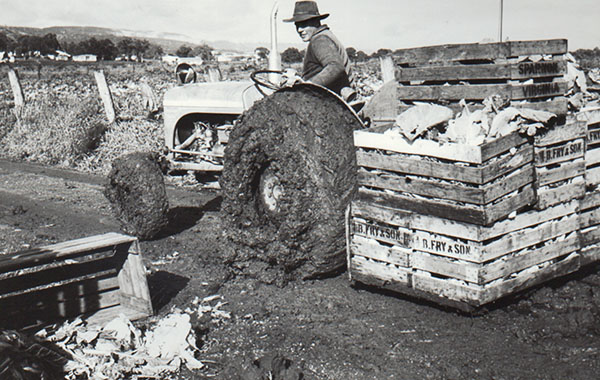
"Just work a little bit harder… in wintertime because winter time was very hard. Got the boots and you know, all wet… Yeah, sticky, yeah one foot gone down and other take ‘em off (laughs)."
Ilda Cavuoto
"…the black ground was terrible soil in the winter… but it was hard going, believe you me, going working in that, it’s very movable soil, you’ll get cracks very wide…"
Paul Emery
"Very good soil… hard to work, hard, very soggy and wet in winter, very hard but very fertile, grow anything… what we used to do also to fertilise the soil instead of buying manure, we’d go and get chicken manure… in the hills where they had chicken farms… bring it back and then spread it and then fertilise the soil to make it grow enriching it to make it grow quicker…"
Sam Mercorella
"I used to grow parsnips a lot – oh nearly two acres of parsnips – hard work but it was good money. We used to dig them… and I used to sink up to my tummy. Oh, we couldn’t go there with a tractor or nothing."
Charlie D’Angelica
"On the southern side of the river where we lived [at Athelstone] was all black mud, Bay of Biscay, which was very difficult to work… it took very, very small amount of feed to grow stuff. It was exceptionally good, whereas the sandy flats did tend to take more fertilizers and things to manage it."
John Lomman
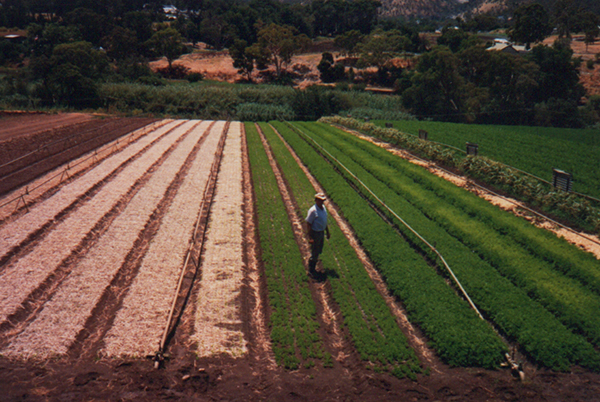
"…the soils were deposited by the natural flood of the river over many, many centuries, was really beautiful stuff."
John Lomman
"…we had one section which was red Bay of Biscay but most of it was pretty sandy stuff. Good to work in the winter when it was wet but not so good in the summer when it needed a lot of water."
Dennis Lorenz
"There were several different varieties in the Athelstone district, most of the soil born in the River Torrens was loam and easy to work. The land away from the river mostly was… which was only suitable for certain crops. It wasn’t suitable for cauliflowers because at the time of the year when you grew caulis if you got very wet… soil the cauliflowers would all collapse and fall in a heap…"
Hartley Ey
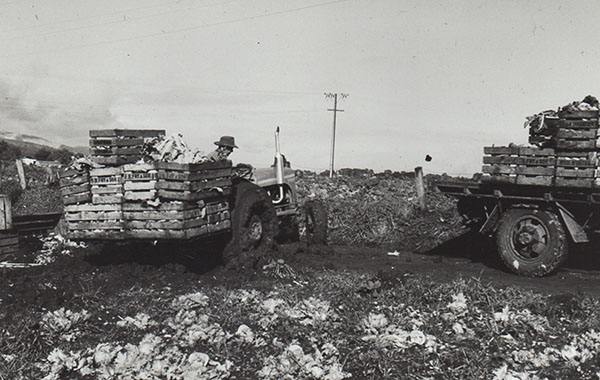
"…the sandy soil is easier to work when it’s wet, doesn’t stick like the Bay of Biscay soil, probably needs fertiliser, not as much but more often because it leeches through the ground, whereas the Bay of Biscay soil is heavier, especially down along the river the black soil. It’s good to grow stuff in, holds more water content, you don’t have to put the amount of water on but in the winter when it gets wet it’s like glue, sticky and sticks to you and they’ve both got their good attributes."
Dennis Lorenz
"…many a time either my Dad or my neighbours got bogged and somebody else had to come and help unbog us from the heavy soil because the soil underneath stays quite wet, so it dries above in that first twelve inches, but below it gets quite wet, so you consider a tractor’s quite heavy."
Robert Parletta
The River Torrens and Third, Fourth and Fifth Creeks were important water courses for the Kaurna people and the many generations of farmers and market gardeners who have worked in the Campbelltown Council area. The market gardeners whose land was close to the river had ample water supply which they pumped to their vegetables using canvas-lined channels. Others who lived further away on smaller gardens relied on the creeks or had bores on their properties. The River Torrens was also a feature of children’s play and some families fished successfully.
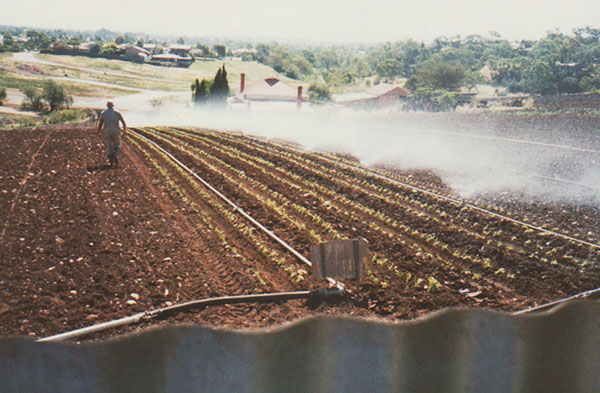
"…they had a dam up the top and he was getting the water from… the creek and he used to fill up this dam and this dam used to water his potatoes with – no sprinklers – all done by the ground."
Charlie D’Angelica
"We had a …very steep embankment [with] a pump … pumped up to top of the cement tank wall, that was 160 feet … and I reckon the bank would have been about 100 foot…"
Paul Emery
"Mr Grey’s and Mr Pitt’s land… it was between eight and ten acres… and they had a horse and they had a little old tractor and they used to wash celery… They used to pump water from the river… I remember there was a big loquat tree, we used to always go and pick loquats down there as kids, and went down the river. It’s not lovely and clean like it now…"
Maria Matteucci
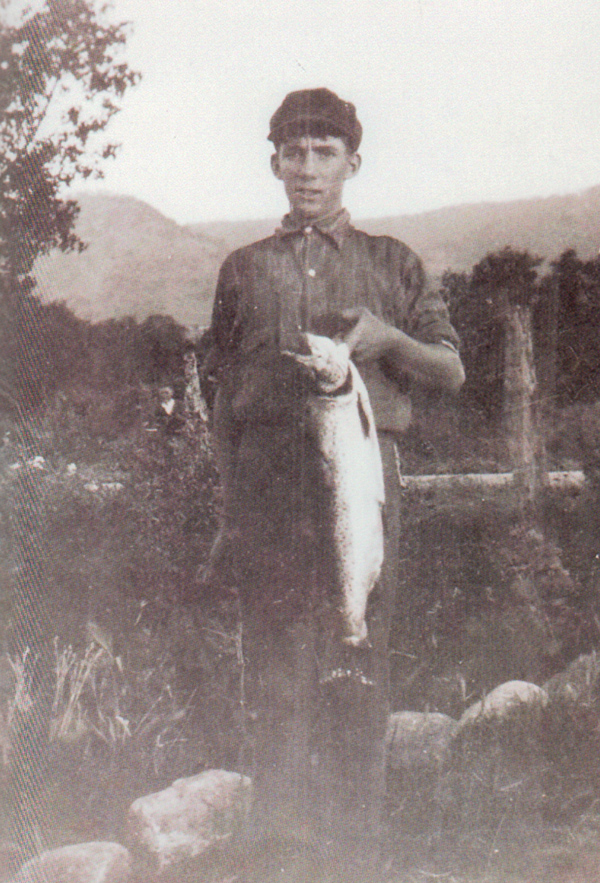
"There was an aqueduct which was an open channel that you had it for water channel, it ran from the Torrens gorge to the Hope Valley reservoir and when the reservoir was full the Red Fin used to migrate up that channel and we’d sneak a drum net into the channel and the small fish would pass through the netting and it’d just retain the edible size and we had a ball catching Red Fin out of that channel and even got a photograph of a large brown trout that caught in that aqueduct."
Hartley Ey
"Away from the Torrens most of the bores were very brackish, fortunately the Ey family had a very, very good bore that in the time of drought it provided the water for two market gardens non-stop, at night it pumped for our market garden and in the day time our cousins and we got by that way."
Merv Ey
"And they used to give us an allocation of water every week in the extreme time of the year, with the hot summers, and that water used to come from past Skinners’, Larsens, Wicks’s, and by the time it got to our place it was water that was, released at 9 o’clock in the morning, got to our place about half-past five or six Saturday, Friday afternoon. It was always let go Friday mornings, and we used to start the pump as soon as there was enough water to cover the pump, and then I would start watering, and I’d water around the clock until we had watered everything."
John Lomman
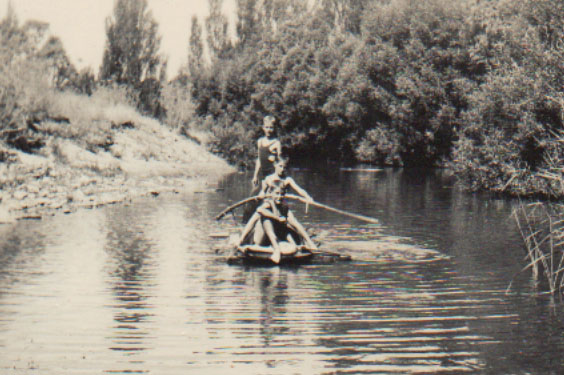
"We were one property back from the river, we had one bore down there and we had a very good well. The well never let us down, summer, winter, drought, flood, we could extract 5000 gallons an hour out of that well. So that was the mainstay of the irrigation down there."
Jim Pierson
"...Fifth creek run through our place and while there was water in there we’d use out of the, the creek, had a big cement tank which was built in the early 1940s, 50,000 gallons and they’d pump the water into there and there was also a dam, they’d run the water into the dam. But then the creek doesn’t run all year round, there was a bore on the place, but the bore water wasn’t real good. And they would mix the bore water with the mains water and use that when the creek stopped running. You couldn’t use the bore water on most vegetable because there was too much salt in it, but it was alright if you mixed it and made a shandy of it. Back then you could grow your vegetables on mains water because it was that cheap."
Dennis Lorenz
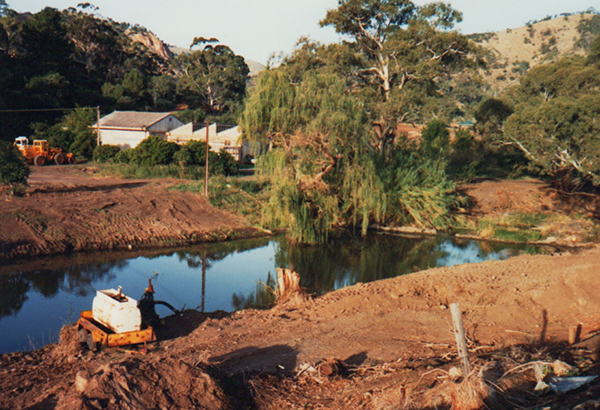
"Some of the market gardens in the area did have bores, we had mains water by virtue of where we were and mains water was very cheap up until probably the late eighties … Then it became a lot harder from just using the techniques that they’d applied before became a lot harder because the cost of water went up, the prices stabilised; there was a big push of people moving to Virginia and growing the same things in Virginia, so the price came down; they had bore water."
Robert Parletta
"…when you grew celery, when you first transplanted it out, you water every day and then every couple of days. Just depending on the weather. That was always a horrible job of mine, trench irrigating, because you had the water, you had to run it down the trenches, get it to the end of the rows and not to waste it, and you’d be standing there in the heat watering it. It was try to water everything up Saturday so you didn’t have to do too much on Sundays. But it took a lot of time…"
Jim Pierson
Work on market gardens is physically demanding. It is a constant cycle from the first steps of raising seed to ploughing, planting, watering, weeding, tending and harvesting to grading for sale at market three days a week. In their interviews, narrators speak about the length of the working day that was usually from dawn to dusk. When most of the narrators began working, market gardeners were working by hand often with the assistance of horses. Machinery made many tasks easier but long days were still part of the life of a market gardener.

"Yes, friends, the people on the land work all together, talk, laugh work …it’s beautiful…"
Ilda Cavuoto
"…when the war was on people were billeted here … and some of them met girls [from the Women’s Land Army] and married them."
Margaret Emery

"…we were happy with everything. We got used to it here and so here was our day, here was our state… Yes, I was happy to be here, yes, yes because Italy is beautiful but in Italy there wasn’t much work so people were not able to do what they wanted… here in Australia… it’s a completely different life, a different thing."
Ilda Cavuoto
"In the early days my first memories are of carrots and beetroot and the workers digging them out and then taking them down, and squirting them out and having them ready. And then even the potatoes they used to dig the potatoes until the tractor came along and then the tractor had a potato digger that used to dig them out and then you just had your buckets and you walked along and picked them up."
Brian Emery

"…we used to do a lot of crop rotation so for example, during winter we would enrich the soil by planting broad beans and peas with the view that when spring came you would rotary hoe that into the ground to inject some nitrogen in there. The other things that they would do were rotate crops so for example, they’d grow garlic and then on top of that you’d plant things like carrots or any vegetable that is susceptible to pests and a lot of pests, you’d plant them on top of onions and garlic you see."
Robert Parletta

"Well, celery remained, it’s intense labour; you’re still cutting it by hand where you had your potato diggers and your onion harvesters."
Paul Emery

"We’d start at dawn and we’d work until 10:00, 11:00 o’clock at night, we’d start whenever the sunlight came out and work and then – we had a, maybe a break during the day, a little bit. But we’d then have a packing shed …we’d usually grow tomatoes as well so we’d have a packing shed to pack all, to get ready for the market next morning."
Sam Mercorella

"…those days, cauliflowers grew, and of course, you used to go through and cut what were called the fit cauliflowers, the ones that were ready, they weren’t all ready at the same time … you’d have to cut through maybe two, three or four times, and you carry them out to the end where you had a track, where you could stack them up, and get in there with a truck to load them up. It wouldn’t matter if it was pouring with rain, you’re bogged up to your knees, you still had to cut the load and get them out and get them loaded up."
Jim Pierson

"And then Dad started to going to the market and eventually had a trolley – had it made by Stock [the local Blacksmith] with four wheels and he had a horse and the old horse used to work the garden and he goes to the market as well."
Charlie D’Angelica
"… my memories really of the marketing of things … harvesting potatoes and then being bagged and going to market and loads of cauliflowers, some of which went to the East End Market but some of which were taken to the Rosella Pickle Factory"
Margaret Emery
"… we grew about seven acres of carrots – that’s a long time ago. We went to … market nearly 11 months of the year – we would take carrots in three times a week - carrots, parsnips, lettuce."
Charlie D’Angelica
"Very often you’d spent hours in the day with a knapsack on your back spraying…"
Hartley Ey
"… and then I’d go to market three days a week. I used to call them market days … Mondays, Wednesdays and Fridays and the off market was Tuesdays and Thursdays but I went market days and I’d get up at 3:00, 4:00 o’clock in the morning and go to market and then come back 10:00, 11:00 at the most, have an hour’s sleep, a bit of lunch and then go back to work and that’s how we did it for years, but that wasn’t just me."
Sam Mercorella
"…all done by hand, no machine, you cut the tops and the roots of the onion and put them in the boxes and bag them up and then the merchant would come around and pick them up whenever we told them they were ready, and that’s what we did in those early days to start…"
Sam Mercorella

"… early days in early ‘50s they never had the machinery, the stuff to fit on the tractor to do the rows. But so you walked up and down all the rows, single row with a horse, but then they got machinery fit on the back on the tractor, whereas a tractor could go all the day, the horse couldn’t go all day."
Dennis Lorenz
"Just a handkerchief, we didn’t wear proper masks, we just put a handkerchief over your nose.– if you were using a systemic spray like Metasystox you’d wear rubber gloves."
Merv Ey
"…it’s hard work, very hard work, and some years, you know like you’ve got nothing because the rain or the hailstones…"
Maria Matteucci
"…And then the later years just before I started, [my father] seemed to get the people that come out from Holland and Dutch men they seemed to like to work in the garden, they would come here for a few years when they first come out from Holland and then once they got settled they’d usually go somewhere else."
Dennis Lorenz

"During the 1950s, ’51s, ’52s, there was a lot of Italians came out to Australia ... and they were looking for jobs Saturday morning, and they’d come up, ….the Gorge Road on Saturday mornings. We had 16 there one morning, and we used to catch up with the work that was behind like hoeing or whatever was required, if we were cutting off onions, or something like that. It was all done with hands in those days and onion cutting was done in contract work, two shillings a box, a crate."
John Lomman
"Dad had three men full-time and we had causal labour as well, we employed some Italian ladies to help, and on the weekends we always had three or four Italian immigrants, these are young guys that immigrated from Italy and it was their second job."
Jim Pierson
Narrators

Ilda Parrella was born in Cassano, Caudina, Province of Avellino, near Naples on 6th February 1931. Her parents had a farm and Ilda had worked on it. She was 21 years old when she joined her husband Alfredo Cavuoto in Adelaide in July 1953 after marrying by proxy. He had arrived in Adelaide in 1951. From 1953 until 1962, Ilda worked on different market gardens on Graves Street in Newton for six Italian market gardeners and for Mr Pope balancing and raising three children. The main crops that she picked were bunch vegetables, carrots, beetroots, onions and she remembers the sticky black mud which made work difficult in winter.
Listen to interview excerpts with Ilda Cavuoto
Listen to the full audio interview with Ilda Cavuoto
Read the transcript of the interview with Ilda Cavuoto

Crescenzo (Charlie) D’Angelica was born at San Marco Dei Cavoti in the region of Campania, Italy on 22nd September 1923. His father had migrated to Adelaide in 1927 and worked for Mr Packer at Athelstone until his wife, Diodora, and Charlie and his two sisters and brother arrived in 1935. He bought land on the north-west corner of Montacute and Stradbroke Roads and grew onions and potatoes. At 21 years old, after serving in the Australian Army for three years, Charlie married Pellegrina Tomaselli. They bought five acres in Gilbert Street in Newton and grew potatoes, beetroot, parsnips, onions and rockmelons. Charlie sold the land in the late 1980s. He still keeps chickens and a small garden.
Listen to interview excerpts with Charlie D'Angelica
Listen to the full audio interview with Charlie D'Angelica
Read the transcript of the interview with Charlie D'Angelica

The Emery family forebears arrived in Adelaide in 1838 and first settled on the northern side of the River Torrens. The family bought land on Section 311. Margaret’s father, Charles Ramsey Emery married Beryl Mary Dalton from Paradise. Margaret was born 27th July 1949. Her father and two uncles worked two Campbelltown properties, 6 acres on the corner of Lower North East Road and Ann Street and a 17-acre block, off Junction Road with river frontage. They grew many varieties of potatoes and some onions. The land was sub-divided from the late 1950s.
Paul was born 23rd July 1941 and Brian was born 13 April 1943. Their father, Edwards Robert (Bob) married Nellie Whelan in 1935 and lived at Hillview, a 16.5-acre property on the corner of Lower Athelstone Road and Schulze Road. The family grew a range of vegetables and celery became the main crop. At 15 years Paul began working with his brother Cyril. The family sold the land in1991, and the brothers worked with Dennis Lorenz at Virginia.
Listen to interview excerpts with the Emery family
Listen to the full audio interview with the Emery family
Read the transcript of the interview with the Emery family

The Ey family forebears arrived in Adelaide in 1847 from Germany and the main land holding handed down in the family was on Section 807 a large section of land on George Street now known as Lower Athelstone Road at Athelstone. Twins, Mervyn and Hartley Gordon Ey were born on 24th November 1921. Their ancestors were Germans who settled in Adelaide in the early 1850s. Several generations of the Ey family have worked as market gardeners in the area growing cauliflowers, cabbages and onions and retired from the market gardens in with their brothers Clement and Colin in 1986. After they retired from their market gardens, they continued to work in an orchard until they were 76 years old. Merv and Hartley continue to enjoy time in their gardens, still growing some vegetables and they preserve fruit and onions.
Listen to interview excerpts with the Ey family
Listen to the full audio interview with the Ey Family
Read the transcript of the interview with the Ey Family

The Lomman family were early settlers in the area and first bought land on Section 335 in 1853. John Maxwell Lomman was born on 26th July 1931 to Alex Maxwell and Nellie Lomman nee Hunt. The family lived on Maryvale Road, Athelstone and bought nine and a half acres and leased another block which brought the total to 20 acres on the top of the Gorge cutting about a mile from the family home. John began working with his father when he was 17 years old. Their main crop was onions, and other varieties included carrots, parsnips and beetroot and in winter, cauliflowers and cabbage and tomatoes. The family finished in the garden in about 1971.
Listen to interview excerpts with John Lomman
Listen to the full audio interview with John Lomman
Read the transcript of the interview with John Lomman

The first members of the Lorenz family arrived from Germany in 1876. The family had 18 acres including 13 acres on the northern side of Gorge Road and five acres on the southern side, parts of Sections 116 and 815. Dennis Cleland Lorenz was born on 5th November 1943 into a market gardening family at Athelstone. They grew a variety of crops: mainly cauliflowers and cabbages in winter, potatoes and sweet corn in summer. They sold tomatoes to Rosella’s at Kent Town for sauce. Dennis’ father retired in 1973 and the land was subdivided. Dennis continued to work in the Athelstone area until 1993 when he worked with Paul and Cyril Emery at Virginia until 2003. Dennis and His wife continue to live on the original family property.
Listen to interview excerpts with Dennis Lorenz
Listen to the full audio interview with Dennis Lorenz
Read the transcript of the interview with Dennis Lorenz

Maria Canala was born on 15th November 1940 in Ascoli Piceno in the Marche region, Italy. Her father, Mario arrived in Adelaide in 1949, worked on his uncle’s market garden at Virginia and in 1950 was joined by his eldest son. In 1951 the family was reunited when her mother, Grazia and three children, including Maria, arrived. After living at Virginia for a year they moved to Crowle Road Paradise. Mario worked for Mr Arnold Gray on his 10-acre property on the Torrens which produced mainly celery. The family lived there when it was sold to Timo Angelini and Maria’s father worked in partnership with him until about 1972.
Listen to interview excerpts with Maria Matteucci
Listen to the full audio interview with Maria Matteucci
Read the transcript of the interview with Maria Matteucci

Salvatore (Sam) Mercorella was born on 5th July 1945 in San Giorgio La Molara, in the Campania region, Italy. Sam’s father, Antonio, arrived in Adelaide in 1951. After three years his wife, Angelina and four children joined him. In 1956, they bought a property of 5.5 acres at Gorge Road, alongside the reservoir and grew mainly onions. When Sam began working in the garden in 1962 the family leased another 10 acres and grew lettuce, beans and root crops. Sam began growing for supermarket chains across Australia and moved into export sales. The family land was subdivided from the 1970s and built a retirement village on part of it.
Listen to interview excerpts with Sam Mercorella
Listen to the full audio interview with Sam Mercorella
Read the transcript of the interview with Sam Mercorella

Robert was born in 1968, the son of Antonio and Lucia Parletta who were born in San Marco dei Cavoti, in the Campania region, Italy. Antonio arrived in Australia in 1952 and Lucia followed in 1955. Robert was one of five children. The family bought 1.4 hectares on the corner of Silkes Road and Gorge Road in 1961 and grew root vegetables at first and then moved onto spring onions, parsley and radishes and leafy vegetables and some tomatoes. Antonio and Lucia worked together for more than 50 years and retired in the late 1980s and the land was subdivided.
Listen to interview excerpts with Robert Parletta
Listen to the full audio interview with Robert Parletta
Read the transcript of the interview with Robert Parletta

The Pierson family were among early settlers in the area and bought Block 9 of Section 308. Jim was born in 1943 into market gardening family. Jim’s father worked five acres on the corner of Reed Avenue and Glynde Road and 3.5 acres on the corner of Lewis Road and Glynde Road. The family also bought a property of 14 acres on James Street, Campbelltown where Jim worked with his father. At Glynde they grew mainly cauliflowers, and at James Street, the crops were celery and potatoes and sweet corn. The Government acquired the land at James Street in the 1960s and the family continued market gardening at Virginia where Jim still works with his son.
Listen to interview excerpts with Jim Pierson
Listen to the full audio interview with Jim Pierson
Read the transcript of the interview with Jim Pierson