Wadmore Park - Pulyonna Wirra
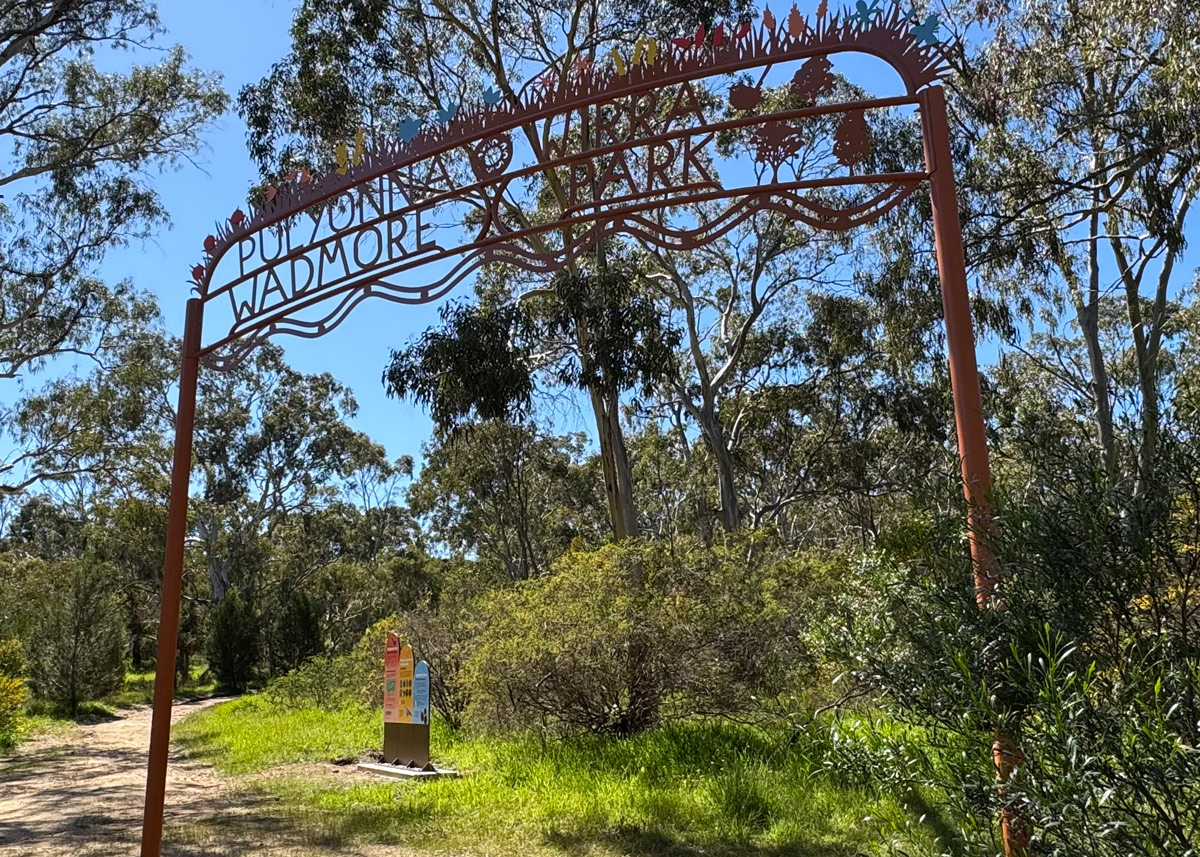
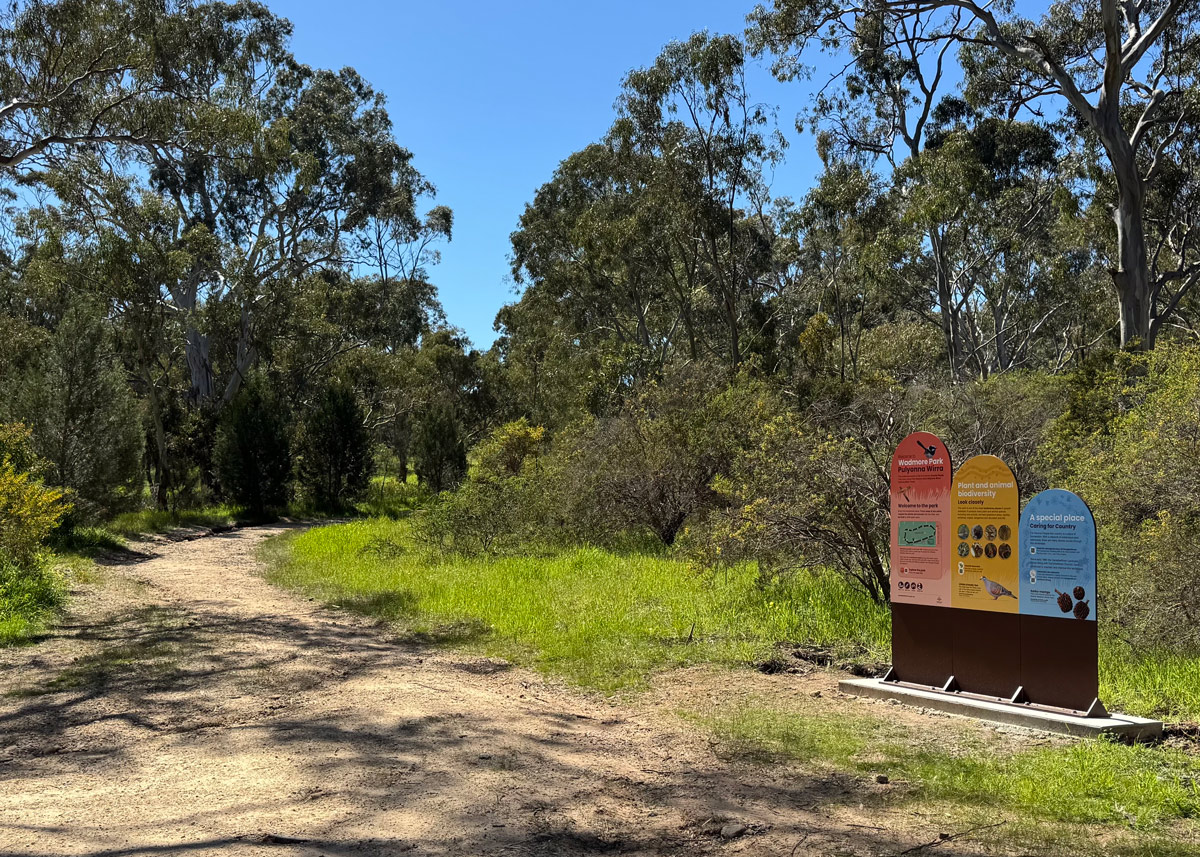
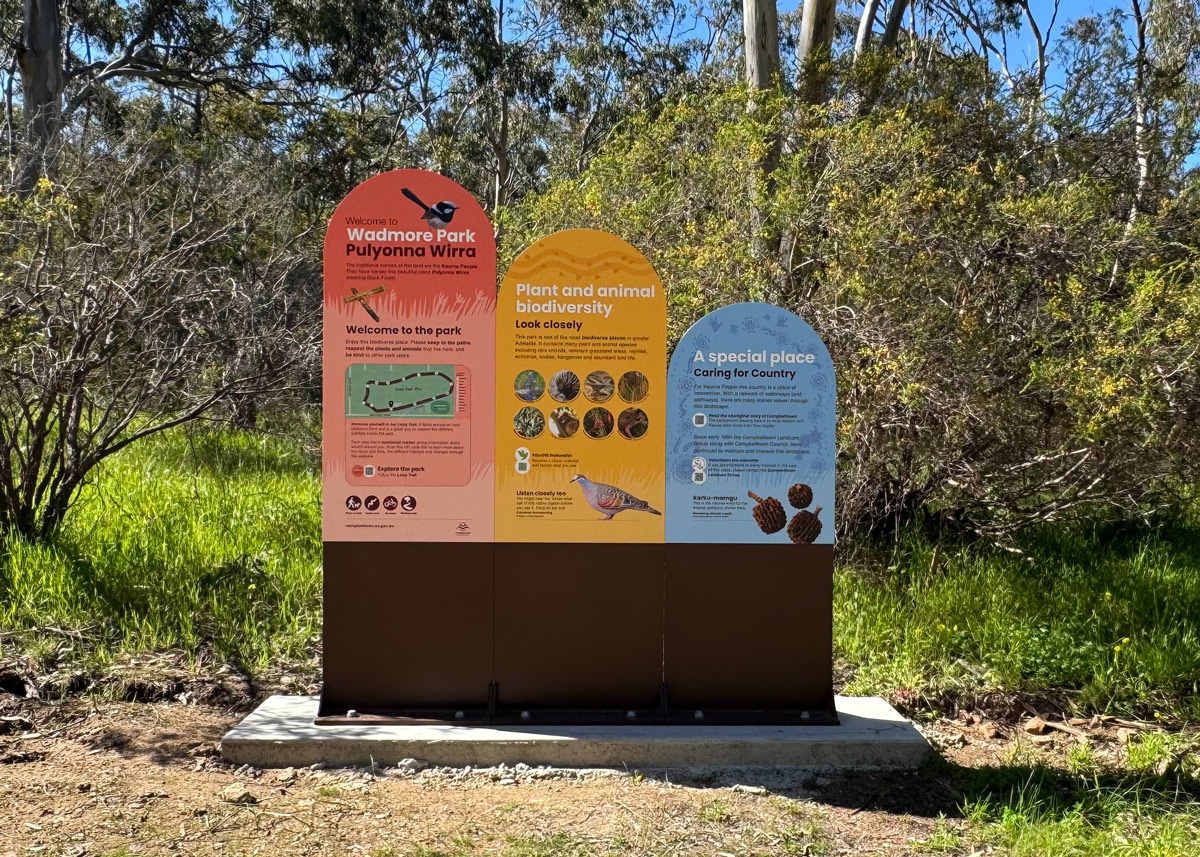
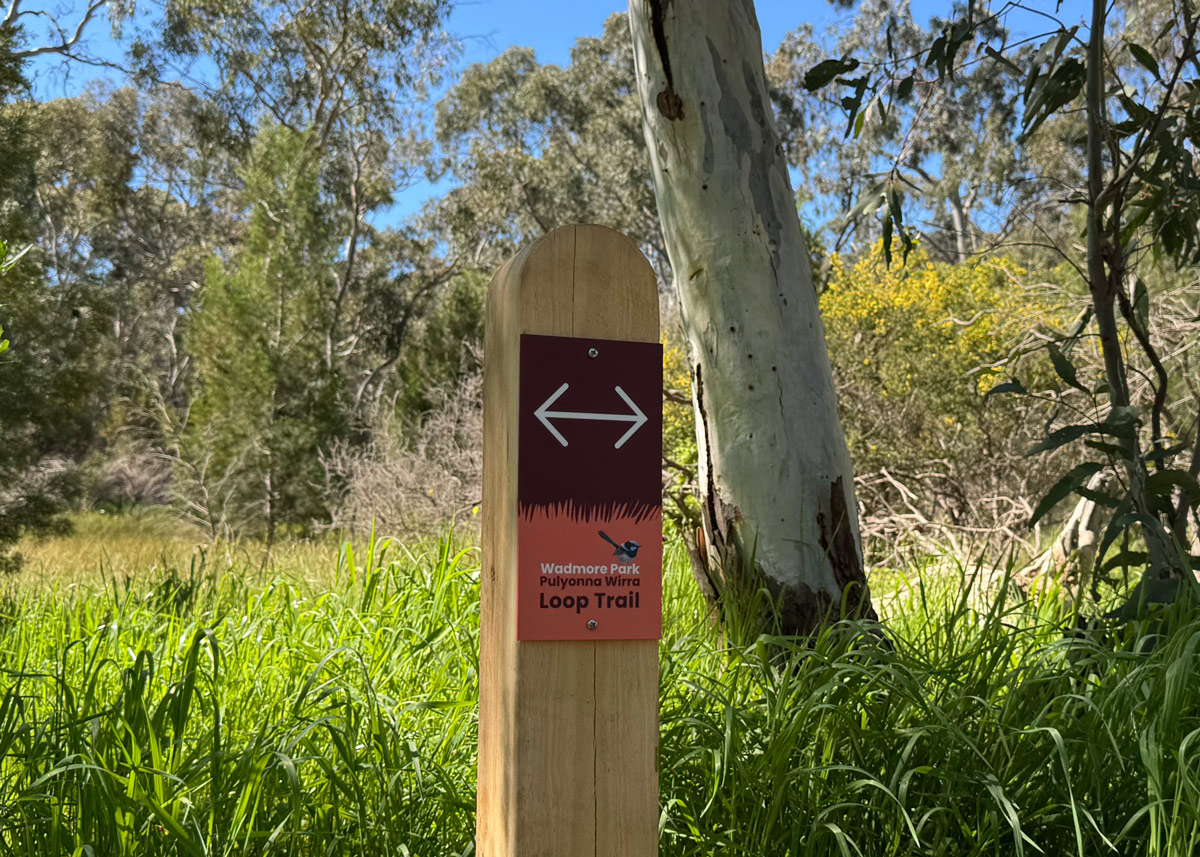
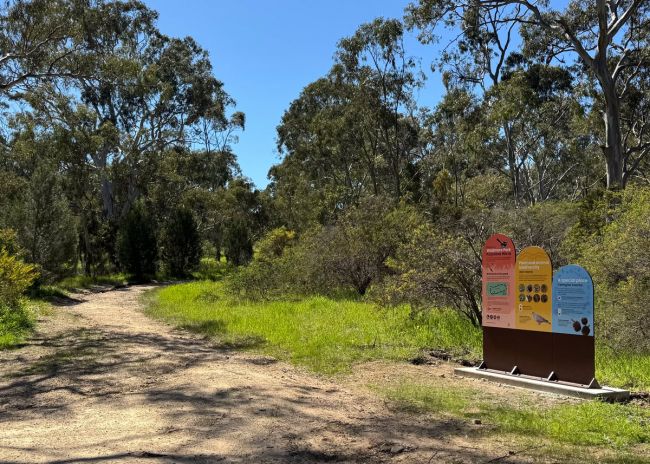
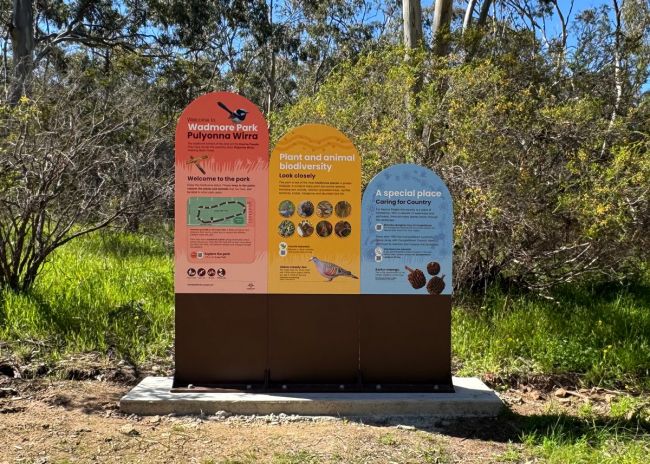
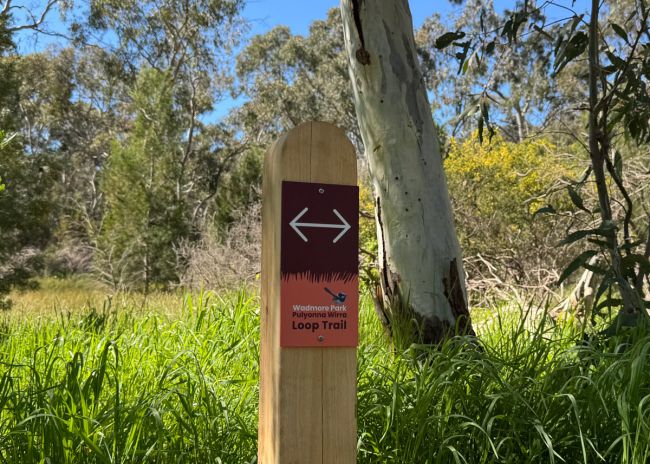
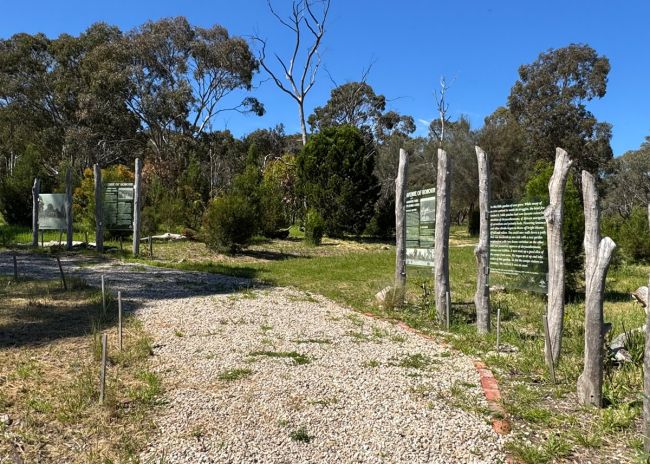
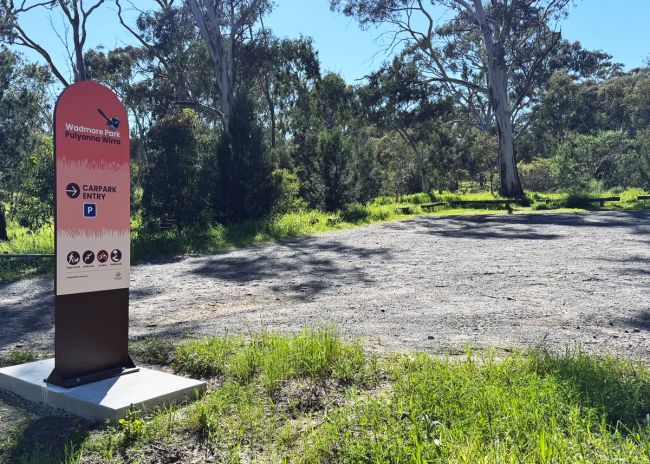
Wadmore Park - Pulyonna Wirra is having a new suite of wayfinding signage installed.
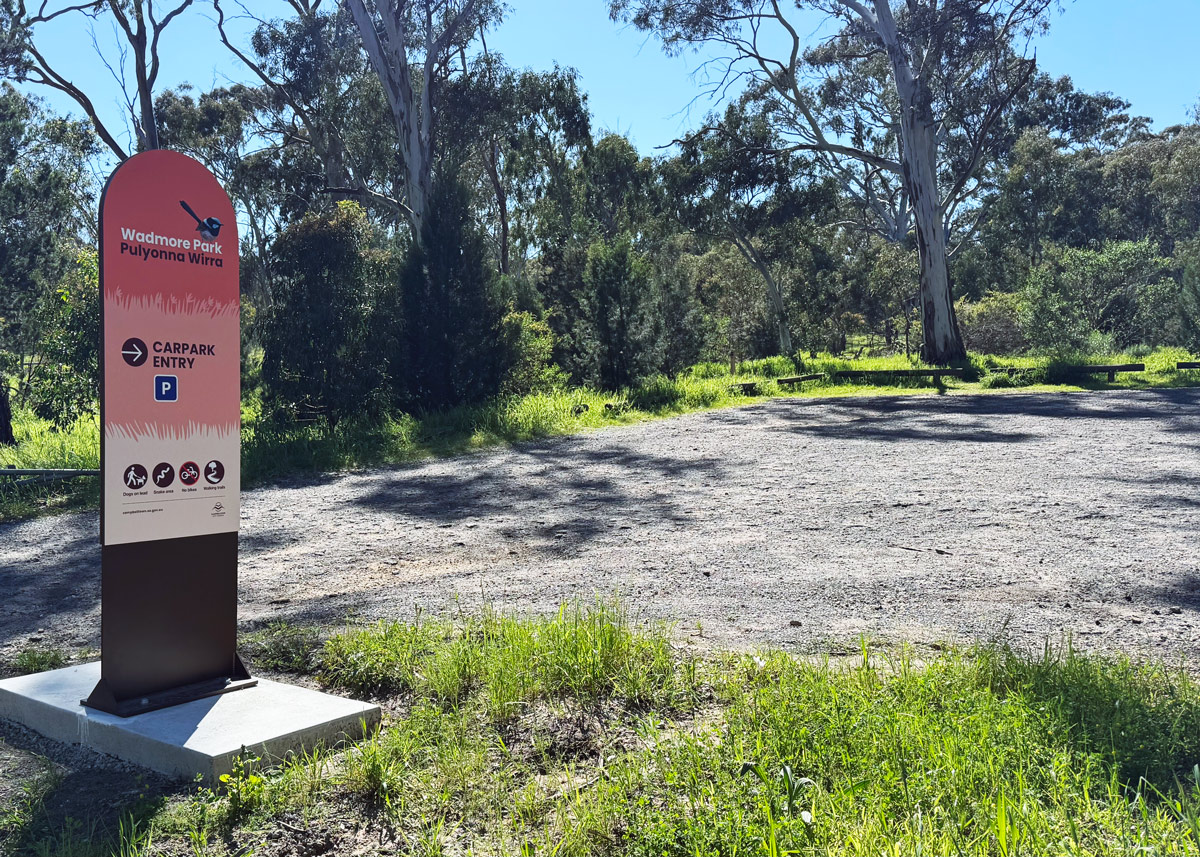
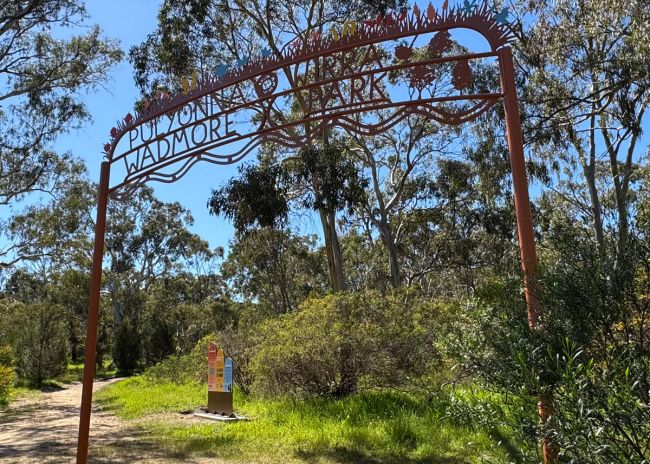
We are excited that our key entrance signs have now been installed, and soon you will see wooden post signs at other entrances and throughout the park. The Wadmore Loop trail will guide you on a loop throughout the park, and we will provide the online version of the content once those signs are installed!
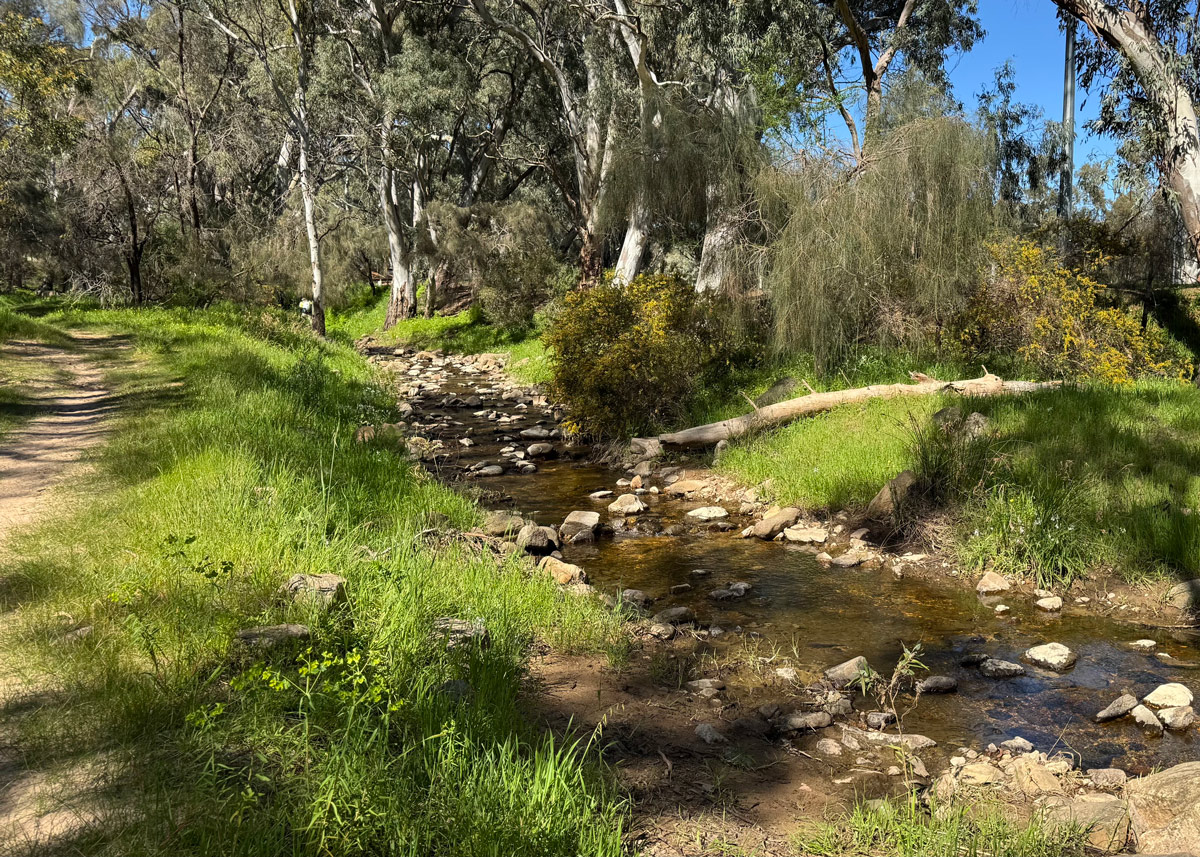
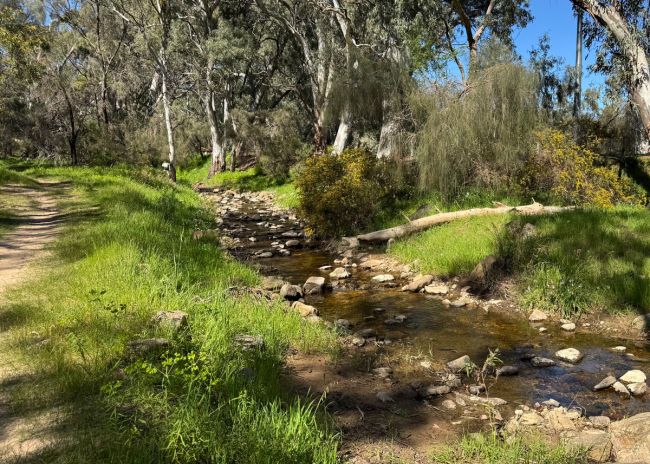
Wadmore Park - Pulyonna Wirra is a 30-hectare natural reserve and one of the most biodiverse open spaces in Greater Adelaide. The park supports a rich variety of native plants and wildlife and offers visitors a peaceful place to walk, explore and connect with nature.
Located on Kaurna Country, the park's Kaurna name, Pulyonna Wirra ("Black Forest"), reflects its cultural significance to the Kaurna People. Waterways, pathways and stories are woven throughout this landscape, creating a place of both natural and cultural importance.
Park management has been guided by the Wadmore Park - Pulyonna Wirra Management Plan 2021-2026.
Before you visit
Please help protect the park's significant biodiversity and sensitive habitats:
- Bikes of any kind are not permitted within the park.
- Dogs are welcome but must be kept on a leash at all times. Please bring dog waste bags and clean up after your dog.
- Dispose of waste in bins located in the car parks.
- The nearest public toilets are located at Foxfield Oval, 84 Maryvale Road, Athelstone (open during daylight hours).
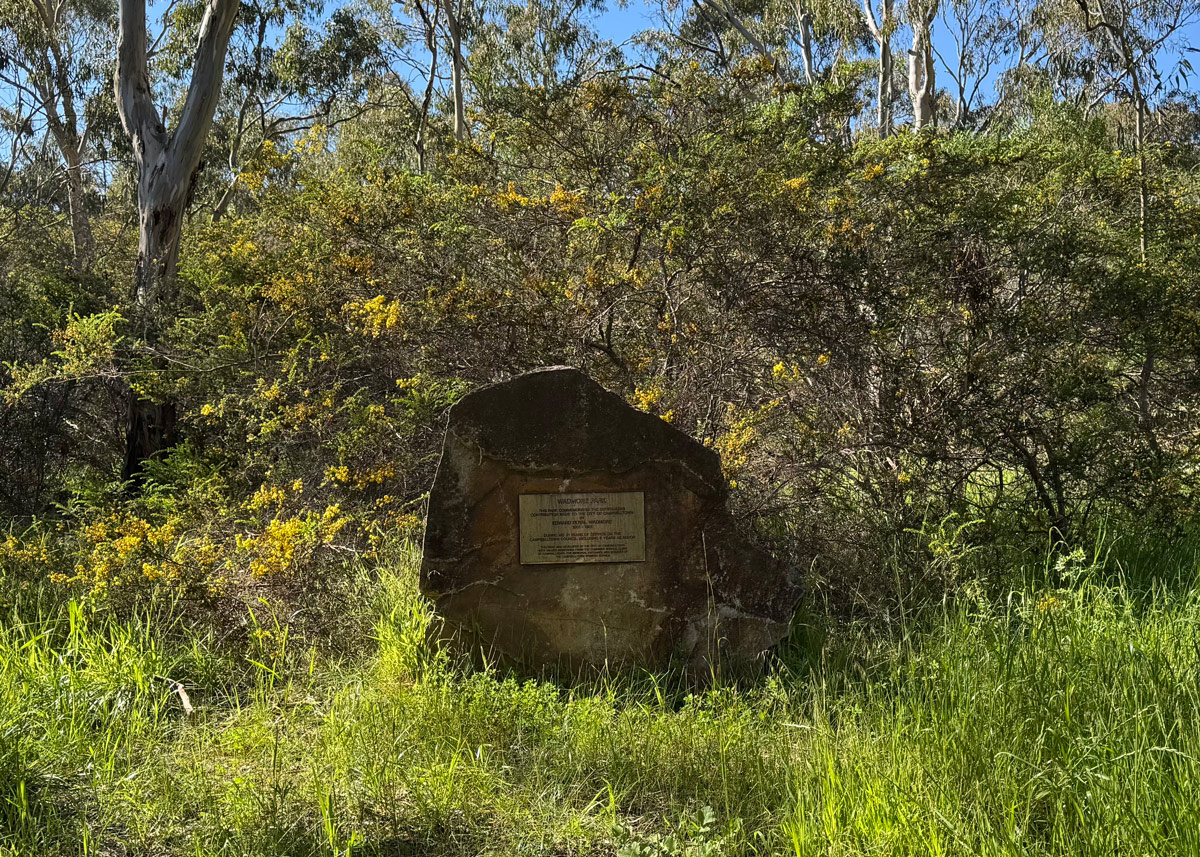
Prior to 2008, the park was called 'Wadmore Park' in honour of Edwards Royal Wadmore, who served Council for 21 years. Following advice from Kaurna Warra Karrpanthi, the park was renamed 'Wadmore Park - Pulyonna Wirra' in 2008 to acknowledge its location on Kaurna Country and recognise its cultural significance.
To further recognise the park's connection to Kaurna Country, Kaurna Elder Uncle Ivan-Tiwu Copley installed interpretive signage featuring Aboriginal artwork throughout the park. In 2026, the signage was refreshed while retaining Uncle Ivan's artwork. The updated signs encourage visitors to appreciate the park's diverse flora and fauna while sharing Kaurna stories of water, connection and Country.
The updated signage helps visitors understand the park's cultural significance, biodiversity values and expected behaviours to help protect this special place.
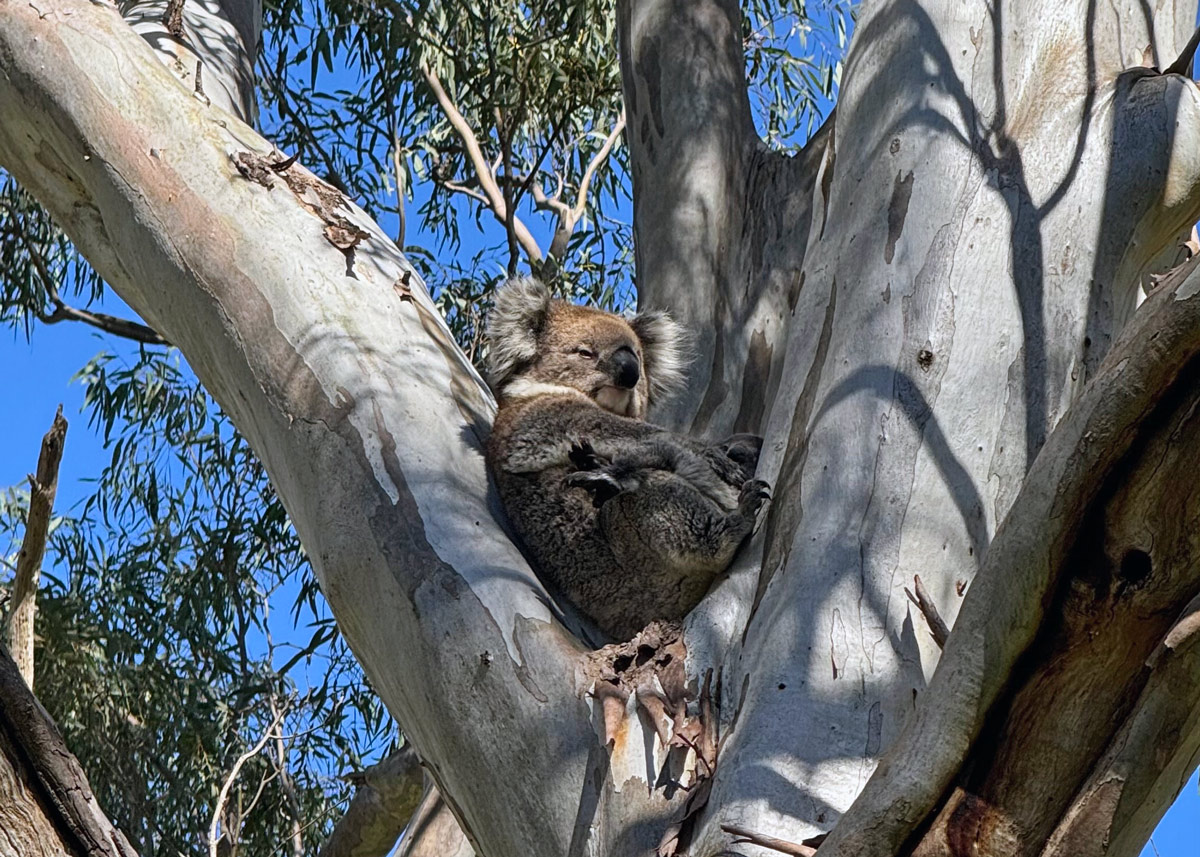
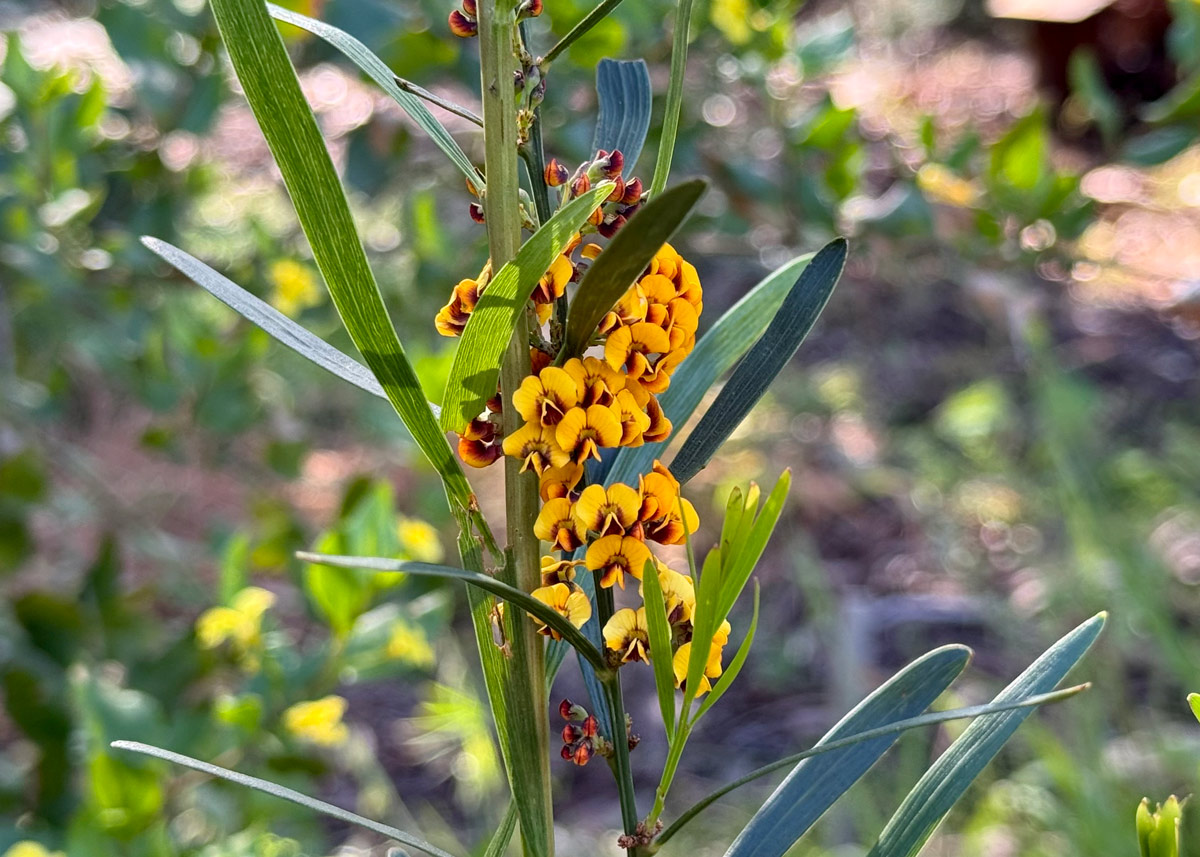
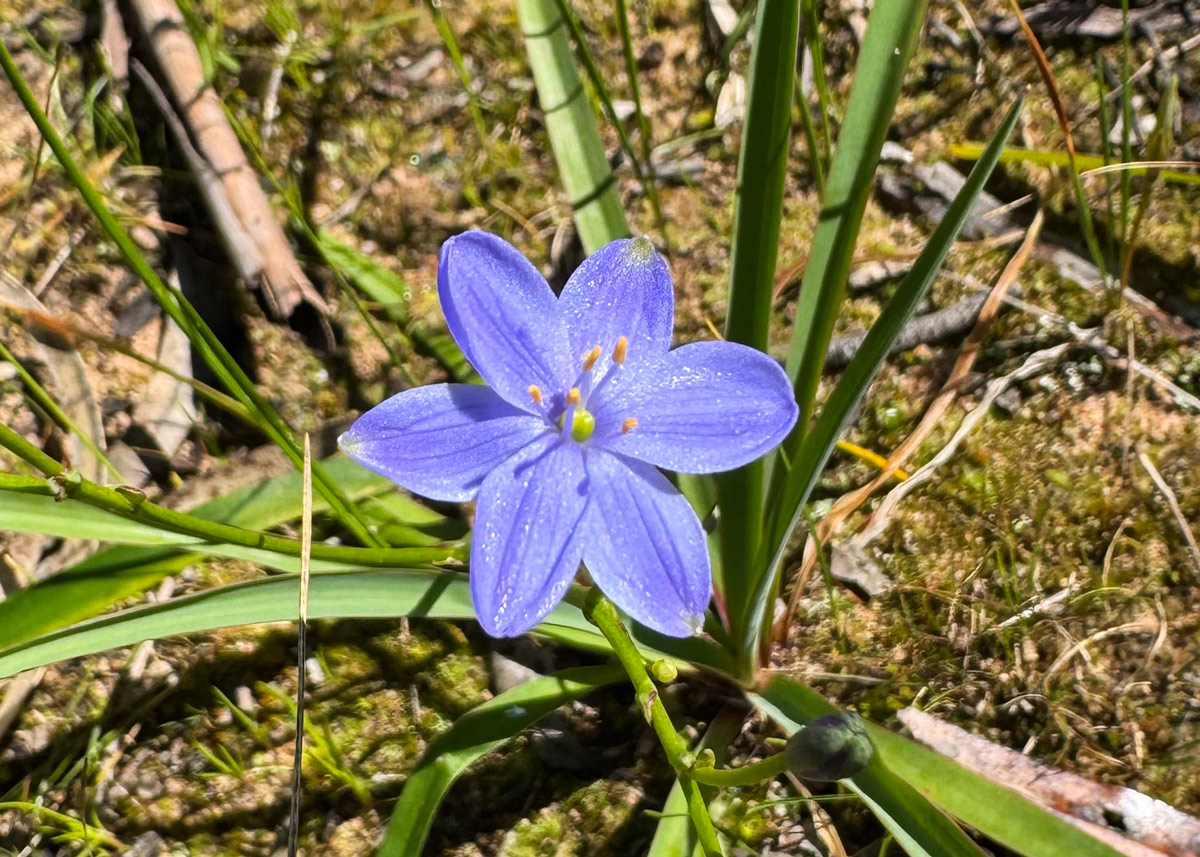
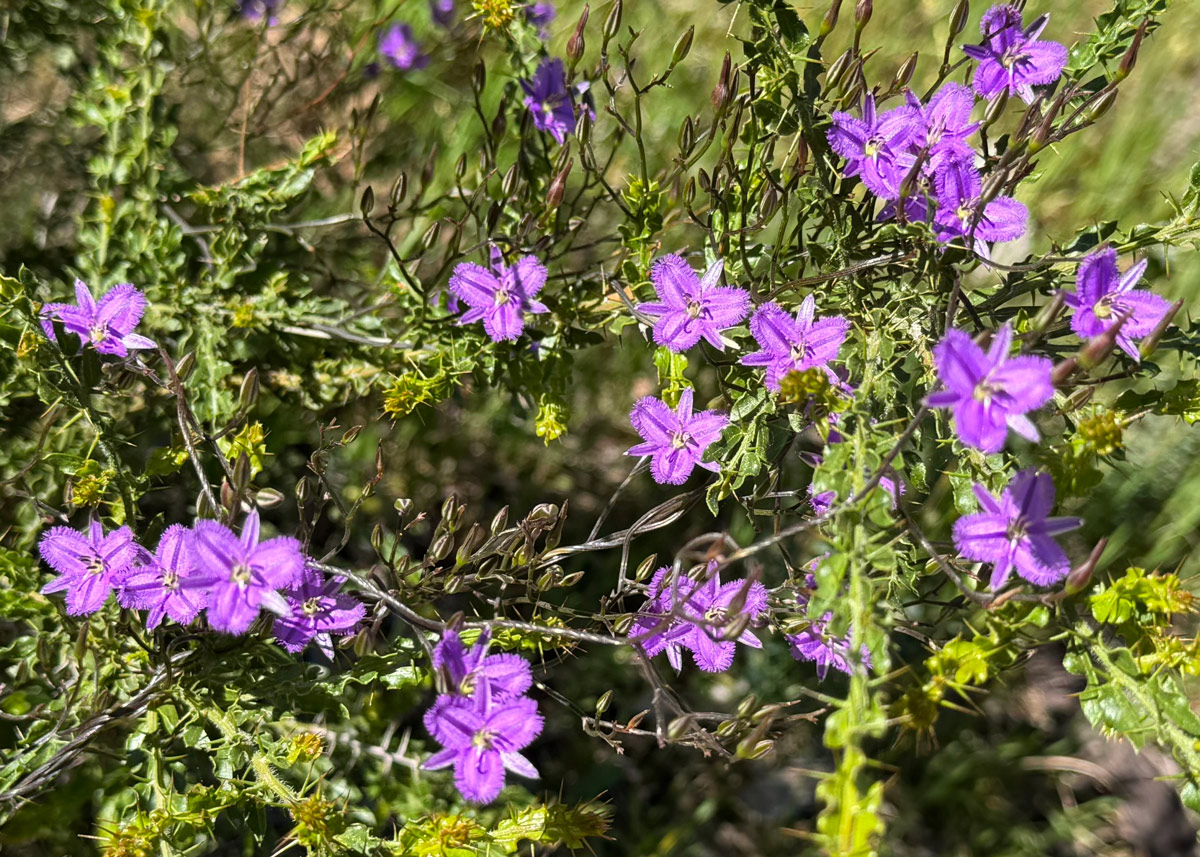
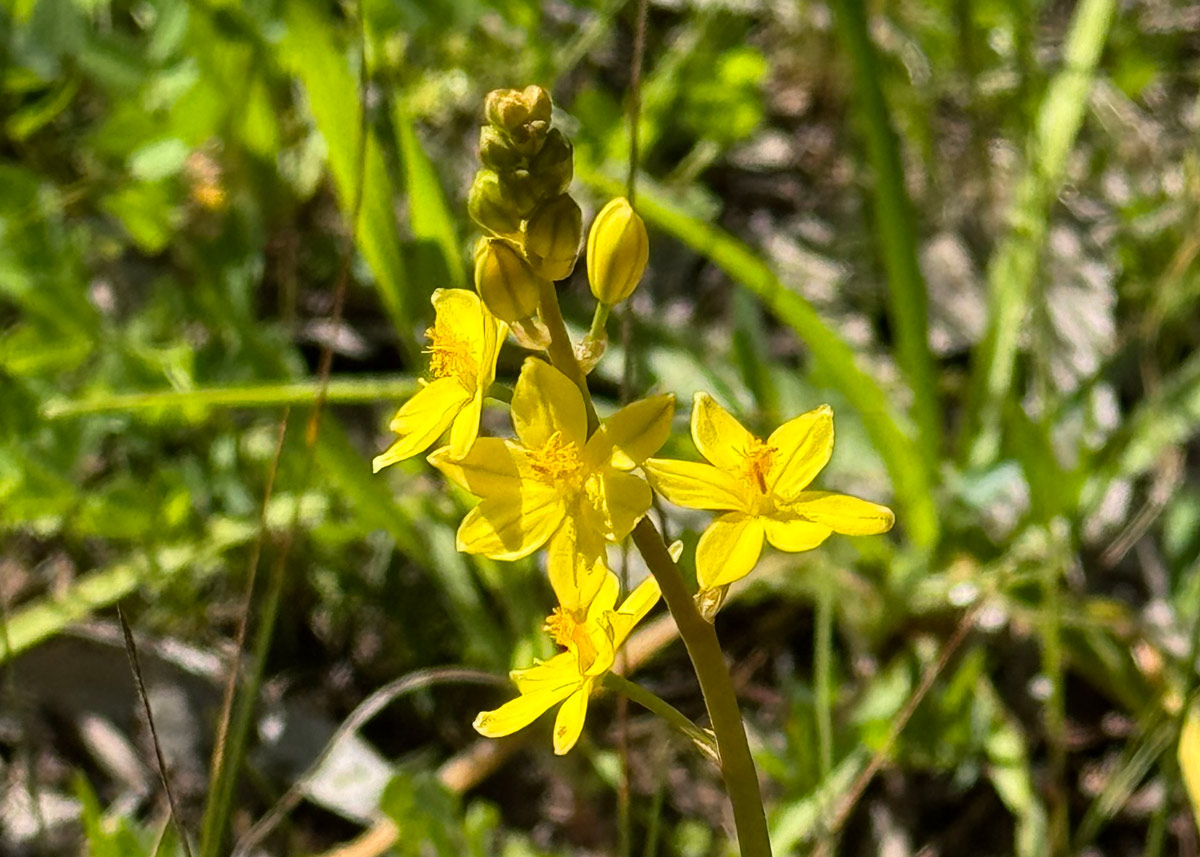
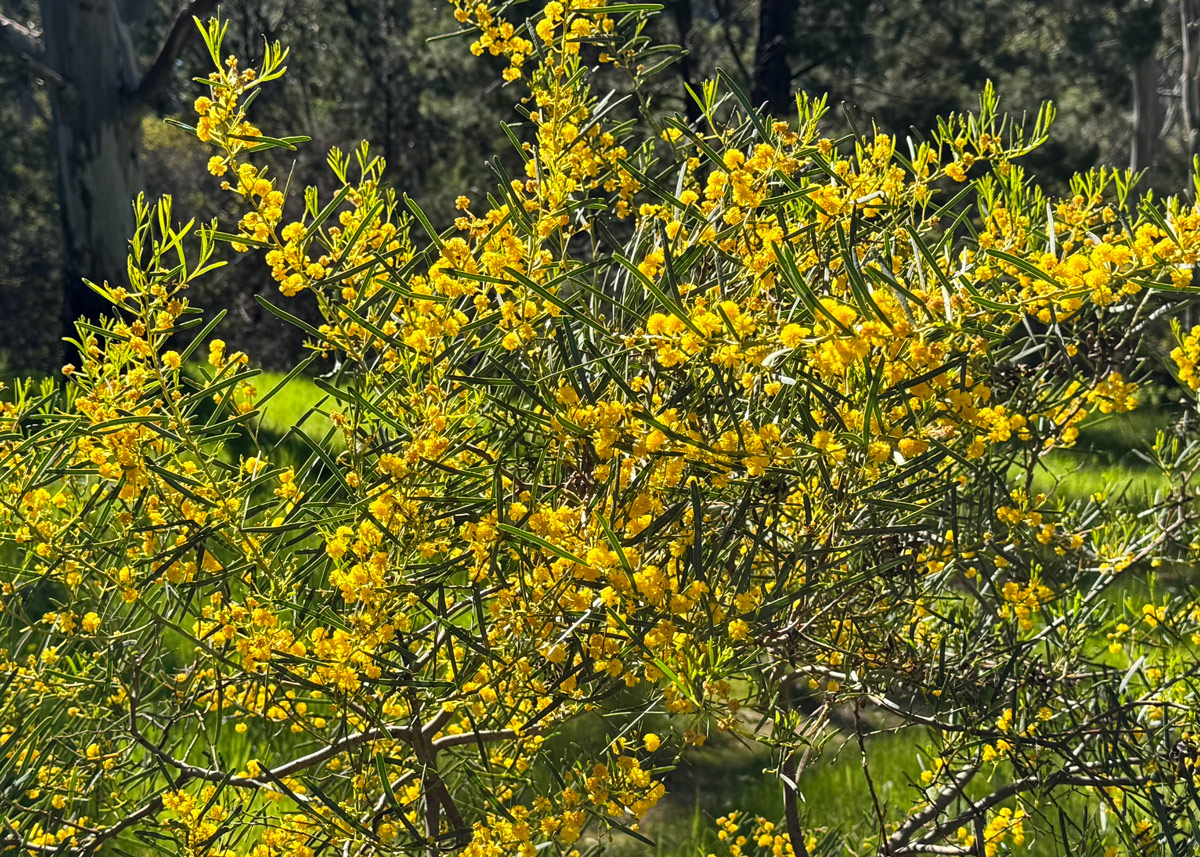
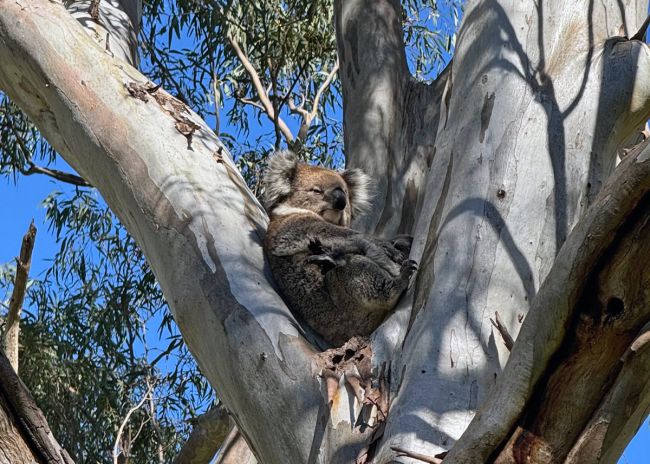
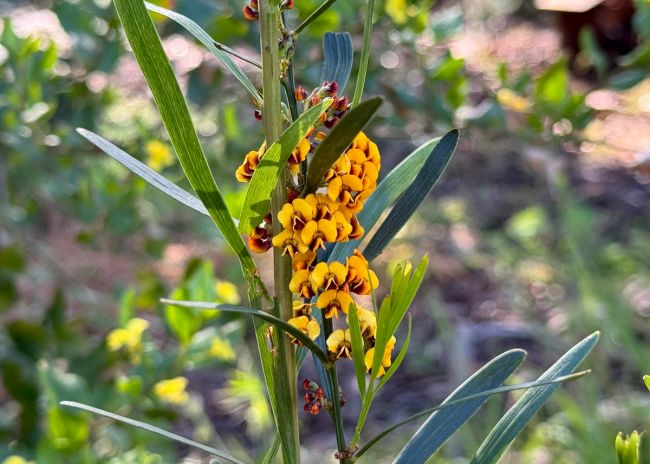
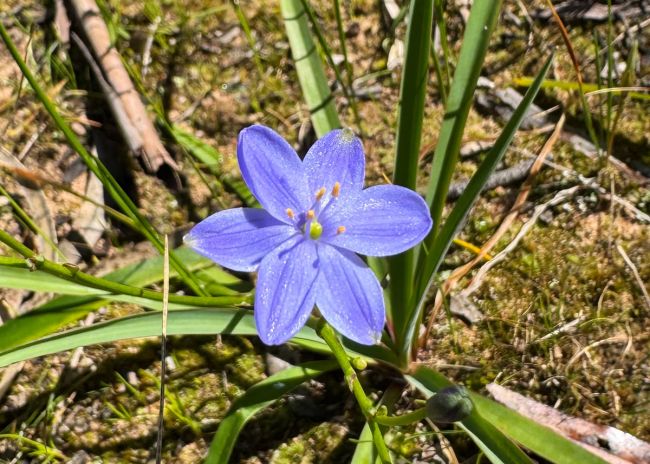
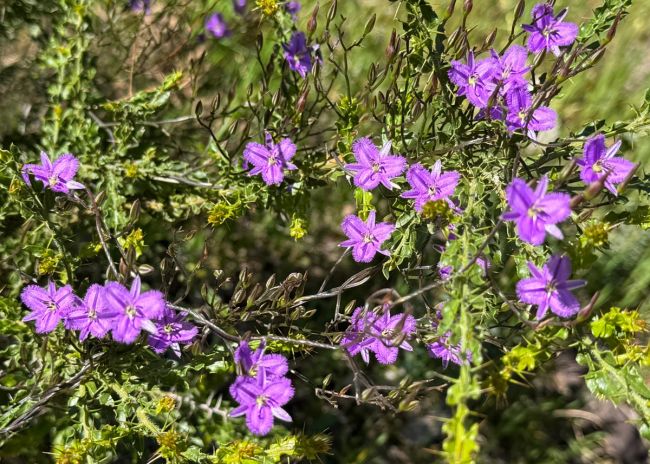
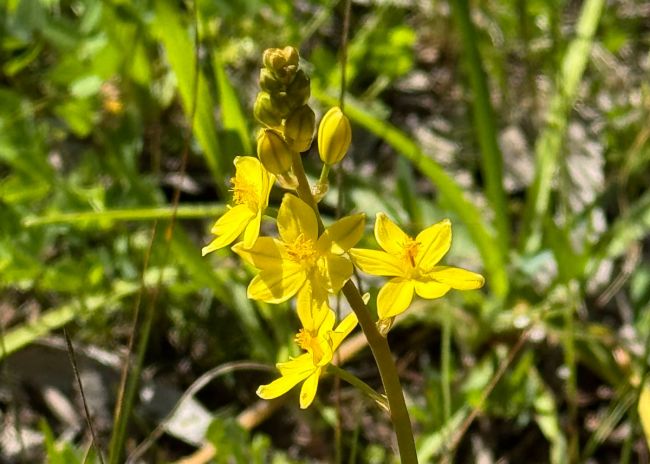
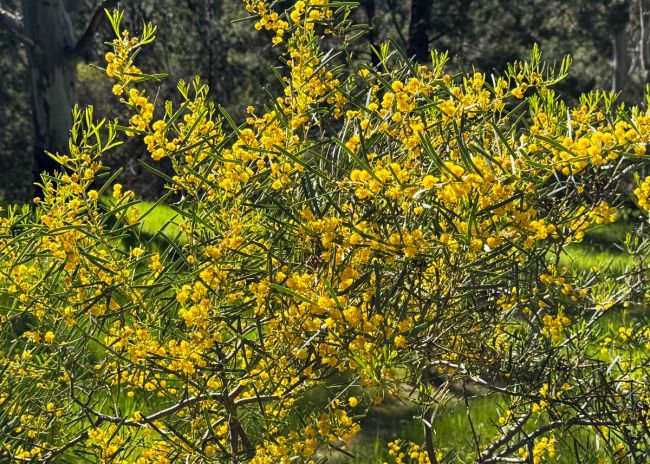
Wadmore Park - Pulyonna Wirra contains some of the richest biodiversity in Greater Adelaide. Its habitats support rare orchids, remnant native grasslands, reptiles, echidnas, koalas, kangaroos and an abundance of birdlife.
The park is bordered by residential areas to the west, north and east, and connects with Black Hill Conservation Park to the south, creating an important ecological corridor for native species.
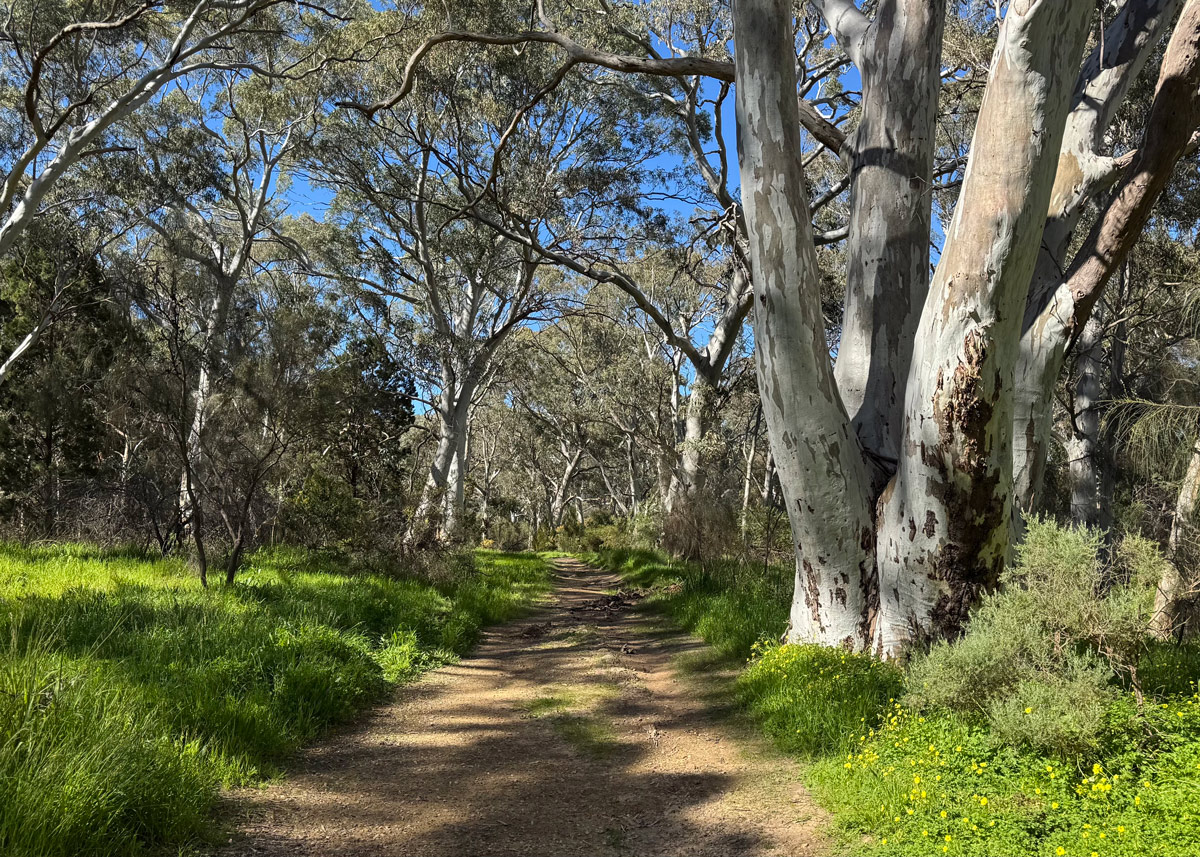
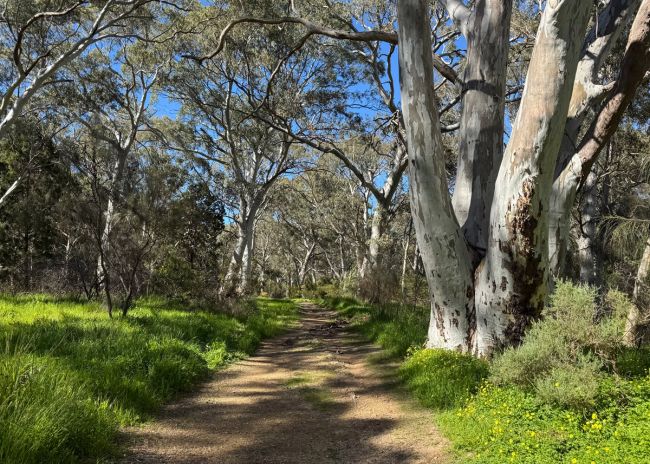
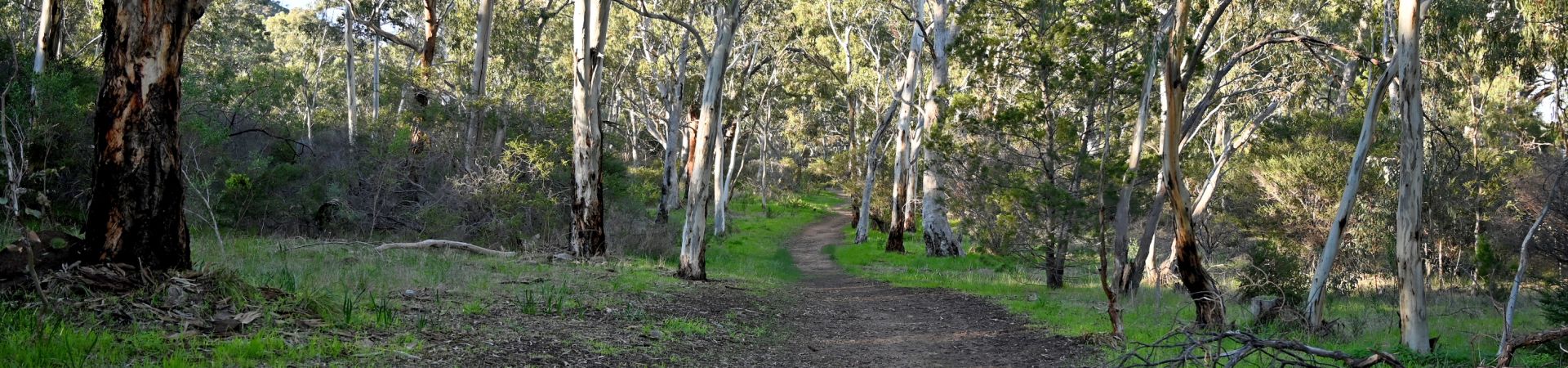
The park features a network of trails throughout the native trees and scrubland.
Please keep to the paths, respect the plants and animals that live here and be kind to other park users.
The Loop Trail (coming soon)
Immerse yourself in the Loop Trail. This 2 km walk takes approximately one hour and is a great way to explore the park's diverse habitats.
Each stop features a numbered marker with information about the surrounding environment. Scan the QR codes on the markers to learn more about the fauna and flora, the different habitats and changes throughout the seasons.
Since 1994, Campbelltown Landcare Group has worked alongside Campbelltown City Council to care for and restore the park. Through regular working bees and community conservation activities, volunteers help restore native grasslands, manage weeds and protect local biodiversity.
Interested in getting involved? Contact the Campbelltown Landcare Group at campbelltown.landcare@gmail.com or visit their Facebook page.
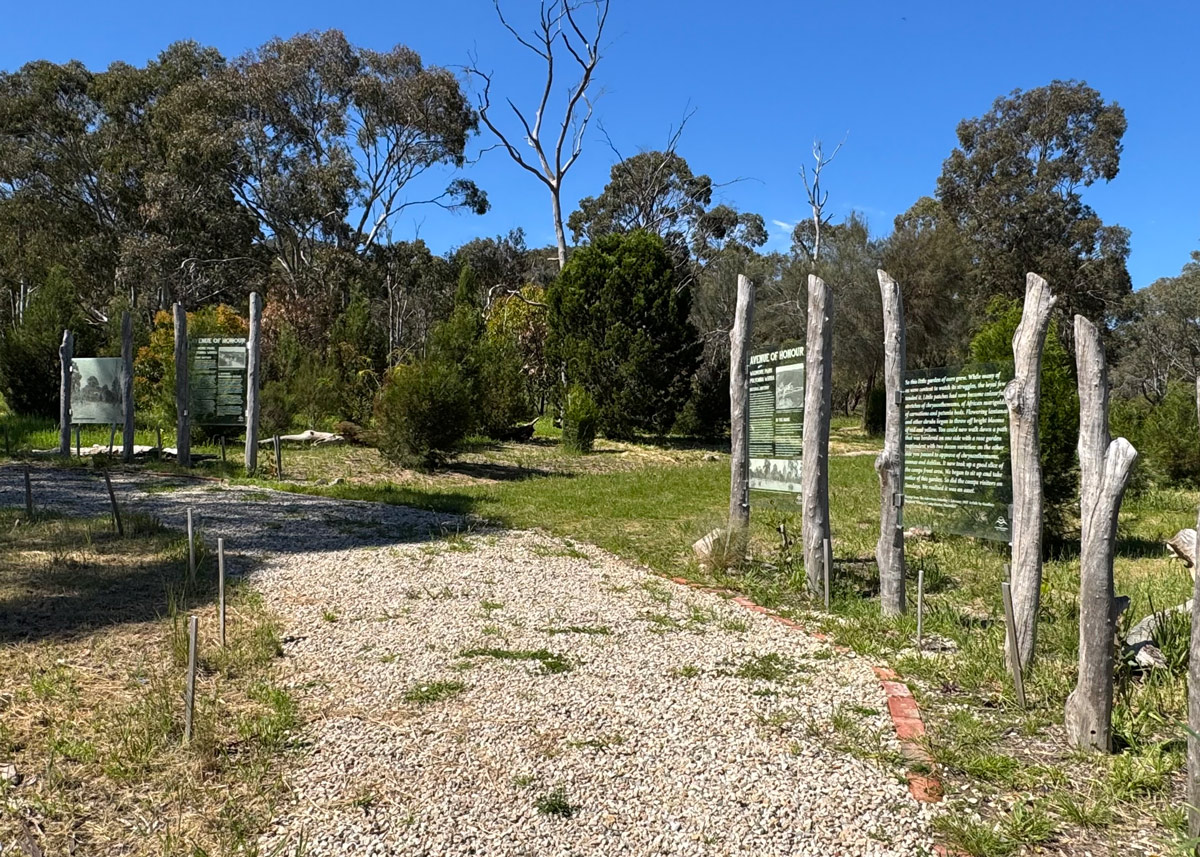
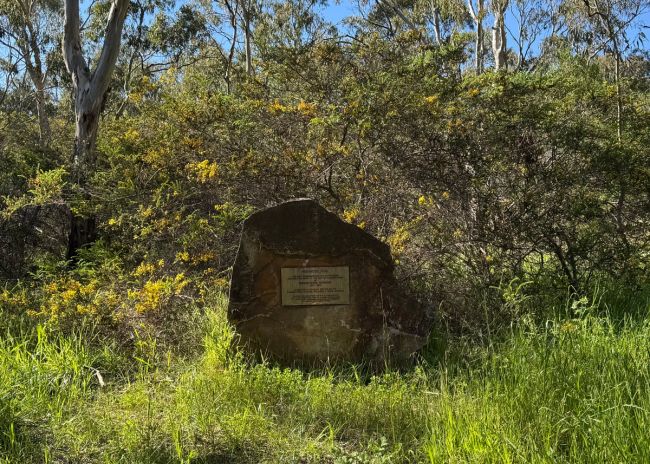
From 1942 to 1946, Wadmore Park was the site of the 123rd Australian Special Hospital. Today, the park features an Avenue of Honour marking the original entrance to the hospital and commemorating this important part of the site's history.